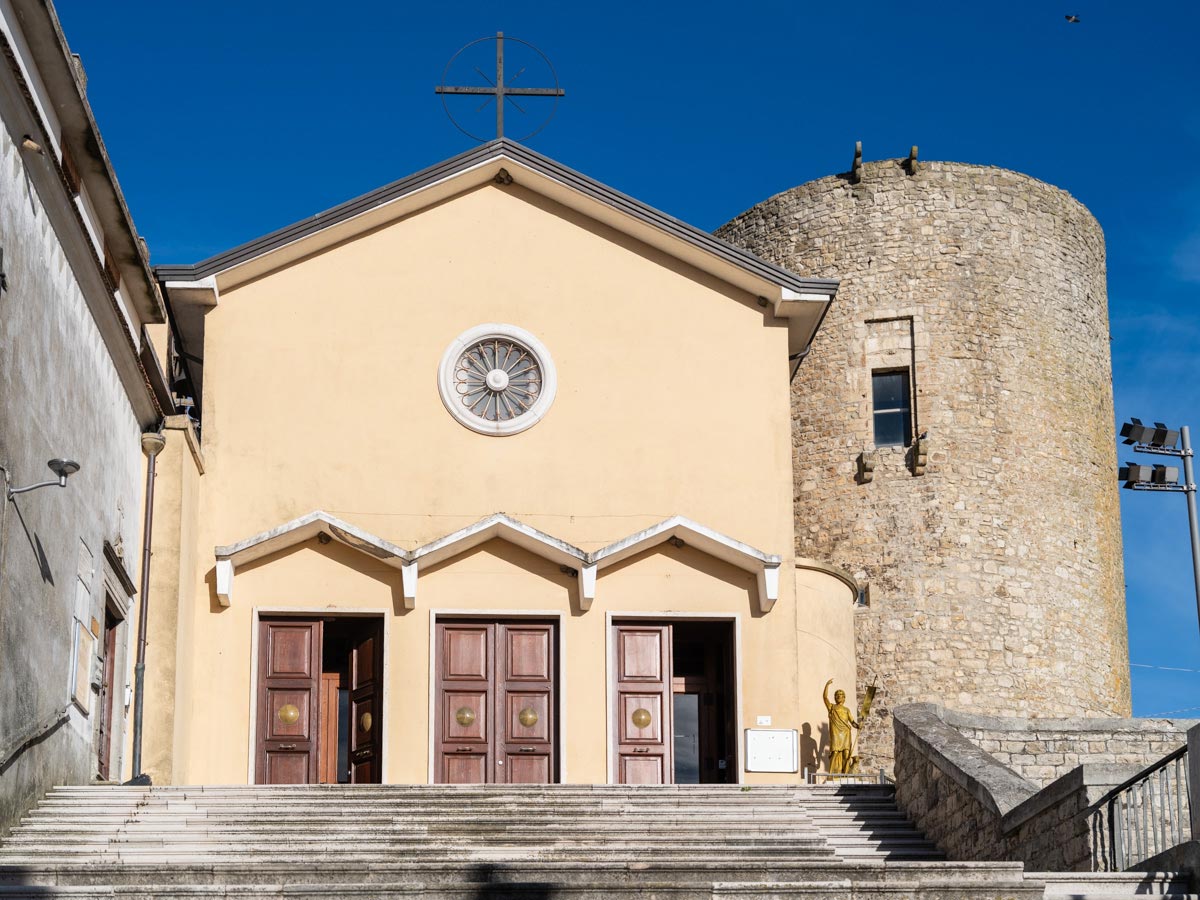
Via Francigena, Celle di San Vito
Tempo di lettura:
Walking at a human pace along the ancient pilgrimage routes allows travelers to redefine their connection with the land and the historical past of southern Europe. Within the mountains of…
Walking at a human pace along the ancient pilgrimage routes allows travelers to redefine their connection with the land and the historical past of southern Europe. Within the mountains of the province of Foggia, the Via Francigena in Celle di San Vito stands out as one of the most significant mountain sections from both a naturalistic and historical perspective. This route, historically traveled by wayfarers, soldiers, and pilgrims heading toward the Adriatic ports of embarkation, crosses the Apennines of Puglia (Apulia), offering a green corridor where rich flora is intertwined with the tangible heritage of the inland communities.
The inclusion of this itinerary within the broader framework of the southern Via Francigena and its stages in Puglia allows modern walkers to rediscover an ancient road network preserved by the geographical isolation of the inland areas. Walking these trails means exploring wooded slopes, pure water springs, and panoramic ridgelines while experiencing a model of travel based on sustainability and complete immersion in the natural environment.
The charm of a small mountain village and the hospitality of stone
Arriving in the village of Celle di San Vito offers pilgrims the excitement of discovering a welcoming and sheltered settlement. Known as the least populated municipality in the region, the village appears as an orderly maze of pale stone houses and quiet alleys, where daily life still follows the rhythm of the mountain seasons.
This intimate atmosphere encourages genuine interaction with the residents, guardians of the ancient Franco-Provençal language. For those studying the geography of walking tourism and the historic villages of Daunia, a stop in this village offers a moment of profound relaxation, ideal for recovering after the climb and understanding the urban structure of the mountain settlements of the Apennines.
The history of the route and the valley’s rural heritage
The presence of the Via Francigena in this part of the territory dates back to the Middle Ages, when crossing the Apennine pass required safe routes protected by monastic outposts. The trail largely followed the natural morphology of the valley, intersecting with the routes of transhumance and the woodland economy. To navigate the mountain slopes effectively, walkers can now rely on the trail map of the Alta Valle del Celone, an indispensable tool for identifying elevation changes and locating the intersections between the main route and the local hiking alternatives.
The trail passes through an environment where human traces blend seamlessly into the landscape. Walking along these ridgelines allows visitors to closely observe the biological richness of the natural landscapes and valleys of the Daunian Sub-Apennines, characterized by dense oak forests, high-altitude pastures, and small streams feeding the Celone. Along the route, history reveals itself through elements of rural architecture and the ancient tratturi of Foggia, including dry-stone walls, old watering troughs, and stone bridges that bear witness to the centuries-old communal management of the land and its water resources.
Walking logistics and local experiences
Planning the journey requires careful attention to both logistical and experiential aspects within the valley’s small villages. Hikers interested in exploring the linguistic enclave as a whole often choose to walk the section connecting the two sister communities, looking for information on what to see in Celle di San Vito and Faeto on foot in order to plan a day of easy hiking through forests and historic centers.
Over time, the village has adapted to meet the practical needs of those traveling on foot. At the designated stopping points, the pilgrim hospitality service in Celle di San Vito provides assistance, stamps walkers’ credentials, and offers access to fresh water from the local springs.
This network of widespread hospitality forms part of the broader system of slow tourism itineraries in Italy’s inland areas, promoting the mountain region of Capitanata beyond the traditional seasonal tourist flows. In addition, the travel experience is completed at the table through food and wine stops for walkers in Puglia: the village’s small producers offer the ideal refreshment with fresh cheeses, wood-fired bread, and traditional Apennine cured meats, turning every stop into an opportunity to discover the authentic flavors of the Monti Dauni.
Explore the Alta Valle del Celone
The walking section of the Via Francigena opens the way to discovering a natural and cultural ecosystem unlike any other in Puglia.
Discover the other places of Castelluccio Valmaggiore and the Alta Valle del Celone: continue exploring the website to find guides dedicated to the area’s waterfalls and rivers, details about its medieval monuments, and calendars of the traditional festivals and events held in the valley’s villages.
AT GLANCE
Where
Celle San Vito – Castelluccio Valmaggiore – Faeto
Type
Suitable for
All
Interests
SHARE


PODCAST
L’Alta Valle del Celone
Ten episodes exploring Celle di San Vito, Faeto and Castelluccio Valmaggiore through the voices of those who live in these places every day.
An audio journey through stories, memories, traditions, landscapes and flavours, told by the people of the three towns. The podcast guides visitors in discovering the authentic soul of the Alta Valle del Celone: a land of forests, villages and vibrant communities, where every voice preserves a piece of its identity.
Recommended experiences
The Highest Municipality in Puglia
The geography of the inland Foggia area holds remarkable …

Fresh Pasta Festival in Castelluccio Valmaggiore
Summer in the small villages of the Puglian (Apulian) Apennines …
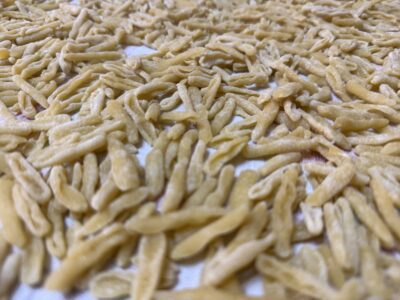
Fresh Pasta in Celle di San Vito
There is an inseparable bond between the table of a small …
Keep exploring
The Highest Municipality in Puglia
The geography of the inland Foggia area holds remarkable …
Fresh Pasta Festival in Castelluccio Valmaggiore
Summer in the small villages of the Puglian (Apulian) Apennines …
Fresh Pasta in Celle di San Vito
There is an inseparable bond between the table of a small …

Ppìzze do le ccìcule: The Ciccioli Pizza of the Franco-Provençal Communities
There is a dough that carries the flavor of January. Of …