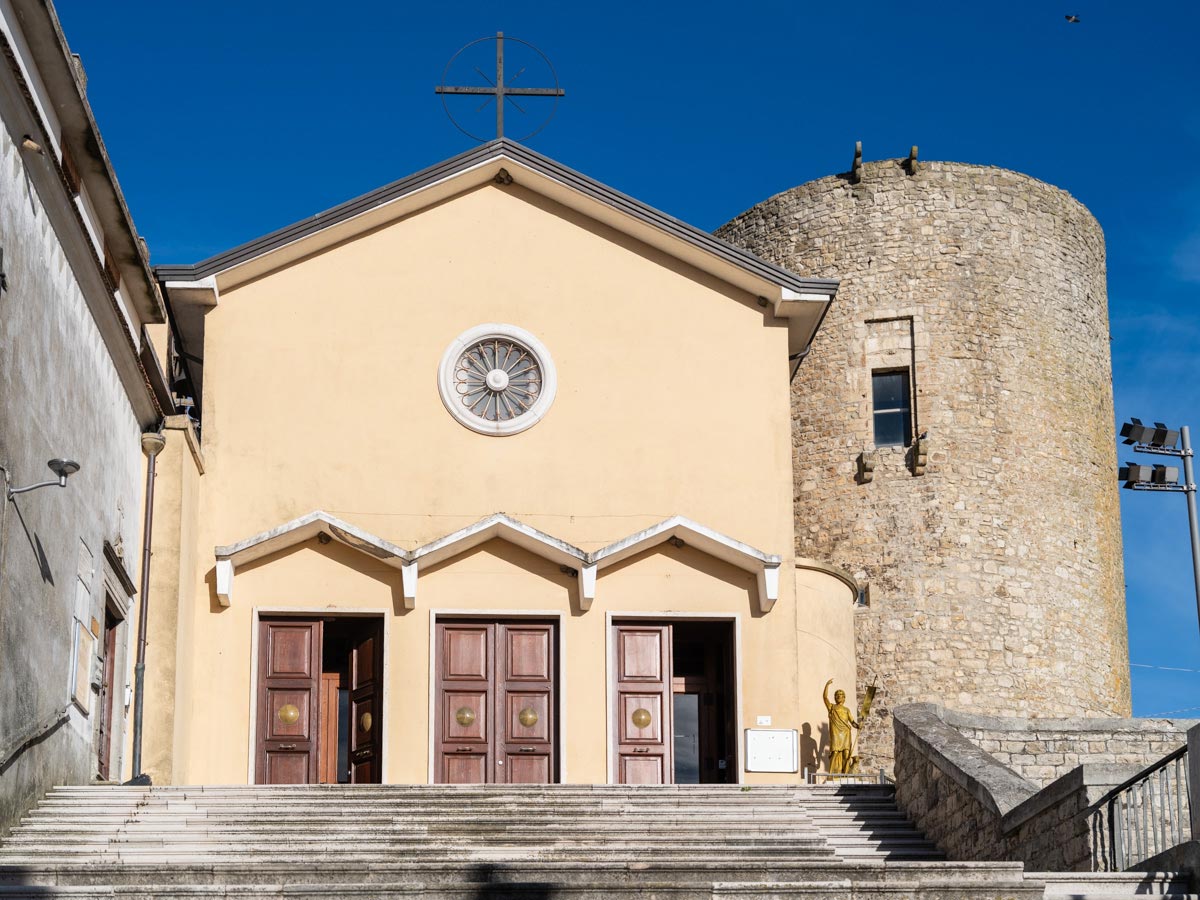
Museum of Rural Civilization in Celle di San Vito
Tempo di lettura:
Preserving the memory of a community means safeguarding the gestures, hardships, and words that have shaped its journey through the centuries. The Museum of Rural Civilization in Celle di San…
Preserving the memory of a community means safeguarding the gestures, hardships, and words that have shaped its journey through the centuries. The Museum of Rural Civilization in Celle di San Vito houses a valuable collection of traditional objects that tells the story of everyday life in this unique area. This exhibition space, made up of collections of historical artifacts, represents the historical and cultural testimony of the community’s predominantly rural, pastoral, and artisanal way of life. The tools on display highlight the social evolution of the village, offering visitors a clear picture of how its inhabitants faced the daily challenges of work and survival in the Apennines.
For travelers wondering what to see in Celle di San Vito to understand the area’s deepest roots, this cultural institution is an essential stop. Through agricultural tools and reconstructed domestic settings, the exhibition provides direct insight into everyday life in the past, revealing the authentic soul of the smallest municipality in Puglia.
A welcoming village that preserves an ancient language
Celle di San Vito welcomes visitors with its stone houses, well-kept alleyways, and a peaceful atmosphere shaped by the rhythm of the seasons. Walking through the streets of this inland village means stepping into a piece of medieval history, where the community’s hospitality can be felt in every square.
The village’s most distinctive feature is the preservation of Francoprovençal culture in the Monti Dauni. This intangible heritage is reflected not only in the local language but also in the very objects displayed in the local museum, which were named and used according to the rules of a dialect that has been passed down intact through generations.
The history of the collection and the roots of rural civilization
The preservation of this heritage began many years ago. The collection originated with the establishment of the local branch of the Archeoclub of the Francoprovençal Communities of Faeto and Celle di San Vito in 1986. Two years later, on August 8, 1988, the Archaeological and Ethnographic Center of Faeto was inaugurated. Today, this network of memory finds its fullest expression in the territorial ethnographic museum of the Francoprovençal communities of Faeto and Celle di San Vito, recognized as the only linguistic colonies of their kind in central and southern Italy. The museum preserves tools of exceptional historical interest that were used not only for agricultural work but also for many other activities connected with everyday life and the subsistence of farming families.
The exhibition is organized into clearly defined thematic sections that illustrate the complexity of this civilization. Visitors can explore tools used for cultivating and working the land, followed by implements employed for mowing and harvesting hay. A significant section is dedicated to the various stages of the wheat harvest, alongside tools related to livestock farming, the practice of transhumance, and the production and processing of cheese. The exhibition also includes evidence of local craftsmanship and the household objects that shaped daily life within rural homes.
This cultural collection is a cornerstone for understanding the museums of Alta Valle del Celone, offering a comprehensive overview of the area’s linguistic minorities and historic villages. The exhibition is an important point of reference among museums of rural civilization in Italy’s inland areas, attracting scholars and visitors interested in slow tourism and the historic routes of Daunia, thanks to its proximity to the Via Francigena. A visit to the museum provides an opportunity to rediscover the folk traditions and intangible heritage of the Province of Foggia, fitting naturally into the cultural itineraries of Alta Valle del Celone that connect the history of Celle di San Vito with that of nearby Faeto and Castelluccio Valmaggiore.
Continue Exploring Alta Valle del Celone
The historic tools and stories of rural civilization are only the first step toward discovering and appreciating our region.
Discover the other places of interest in Celle di San Vito, Faeto, and Alta Valle del Celone: continue exploring the official tourism portal to discover the natural areas of Alta Valle del Celone, local culinary specialties, and the traditional events that keep alive the customs and language of this Apennine community.
AT GLANCE
Where
Celle San Vito – Faeto
Suitable for
All
SHARE


PODCAST
L’Alta Valle del Celone
Ten episodes exploring Celle di San Vito, Faeto and Castelluccio Valmaggiore through the voices of those who live in these places every day.
An audio journey through stories, memories, traditions, landscapes and flavours, told by the people of the three towns. The podcast guides visitors in discovering the authentic soul of the Alta Valle del Celone: a land of forests, villages and vibrant communities, where every voice preserves a piece of its identity.
Recommended experiences
The Highest Municipality in Puglia
The geography of the inland Foggia area holds remarkable …

Fresh Pasta Festival in Castelluccio Valmaggiore
Summer in the small villages of the Puglian (Apulian) Apennines …
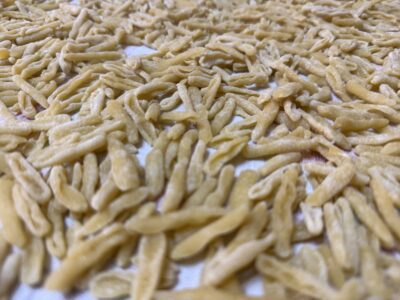
Fresh Pasta in Celle di San Vito
There is an inseparable bond between the table of a small …
Keep exploring
The Highest Municipality in Puglia
The geography of the inland Foggia area holds remarkable …
Fresh Pasta Festival in Castelluccio Valmaggiore
Summer in the small villages of the Puglian (Apulian) Apennines …
Fresh Pasta in Celle di San Vito
There is an inseparable bond between the table of a small …

Ppìzze do le ccìcule: The Ciccioli Pizza of the Franco-Provençal Communities
There is a dough that carries the flavor of January. Of …