The Ciambotta of Faeto and Celle di San Vito: When Simplicity Becomes Flavor
Tempo di lettura:
Among the most emblematic recipes of the Province of Foggia, ciambotta holds a place that goes far beyond a simple culinary preparation: it is a true act of collective memory.…
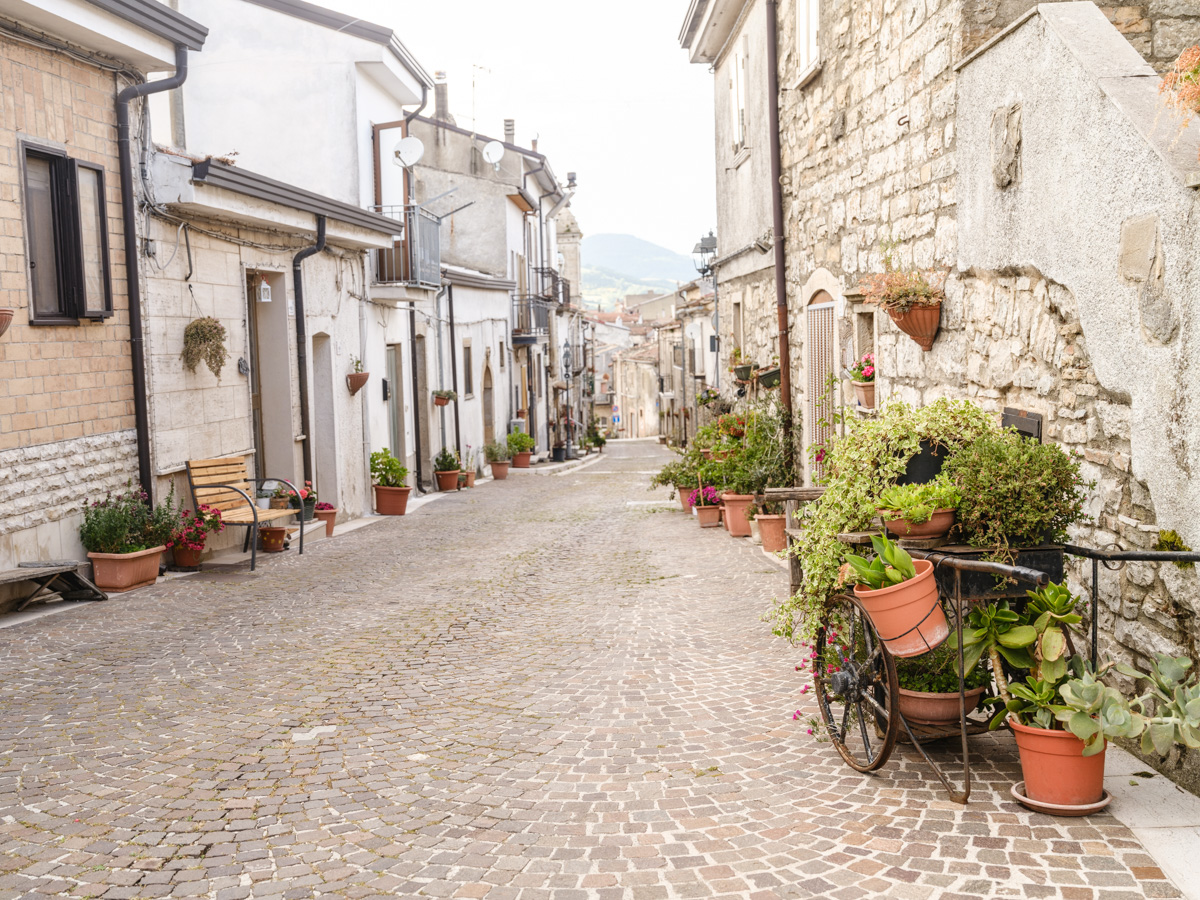
Among the most emblematic recipes of the Province of Foggia, ciambotta holds a place that goes far beyond a simple culinary preparation: it is a true act of collective memory. This peasant dish, passed down from generation to generation, originated in the uplands of the Monti Dauni (Dauni Mountains), where the harsh climate demanded practicality and the land provided only what it could. Although one of its historical homes is Faeto, this dish also belongs fully to the intangible cultural heritage of Celle di San Vito. Thanks to centuries of close cultural exchange, the valley’s two Franco-Provençal villages have shared not only their minority language but also their domestic traditions and culinary knowledge, transforming this dish into a symbol of identity for the entire mountain district.
Its dialect name, shared by both communities, says it all: ciambòtte literally means “mixture.” And in that mixture lies the entire food philosophy of a region that has always known how to turn necessity into virtue.
Two Villages, One Unique Culinary Philosophy
In the traditional gastronomy of the Monti Dauni, ciambotta is one of the cornerstones of the so-called humble cuisine of the Dauno Apennines. It has no single, fixed recipe: it changes with the seasons, according to what the vegetable garden produces and what remains in the pantry. The one constant, indispensable ingredient is beans, the foundation of the local peasant diet and the undisputed stars of many of the valley’s historic dishes.
Around the beans come seasonal vegetables and whatever is available at home, following a principle of self-sufficiency that today might be called “farm-to-table” or “zero waste,” but which, between Faeto and Celle di San Vito, has always simply been the natural way to eat.
An Intangible Heritage That Connects the Inland Communities
What makes ciambotta such a meaningful traditional Apulian peasant recipe today is not only its authentic flavor but also the continuity of the ritual itself. Preparing ciambòtte means recognizing oneself in a shared history, in a borderland identity that has endured through time. This dish is part of an intangible cultural fabric woven from closely related Franco-Provençal dialects, seasonal rhythms, and neighborly solidarity, making these two small inland Apulian communities deeply connected and unique within Southern Italy.
The Gastronomic Tradition of the Alta Valle del Celone
The answer to the question of what to eat in these mountain villages lies in a cuisine that is straightforward, seasonal, and deeply rooted in the land. Alongside ciambotta, both the tables of Faeto and Celle di San Vito feature many other dishes in which legumes, beans in particular, appear again and again.
It is a traditional gastronomy of the Monti Dauni that deliberately distances itself from the culinary folklore of the coastal areas, forging an identity that is entirely its own and perfectly suited to the rugged Apennine landscape that surrounds it. Those following itineraries through Puglia’s (Apulia’s) Franco-Provençal villages in search of authentic experiences will find ciambotta an immediate connection to local history: no special event is required simply sit down at a table in one of the valley’s inns.
Discover More Places and Heritage of the Alta Valle del Celone
Ciambotta is just one colorful piece of a much larger cultural mosaic. Together with Celle di San Vito and Castelluccio Valmaggiore, Faeto forms the Alta Valle del Celone: a land of authentic villages, protected linguistic minorities, coppice forests, and centuries-old traditions waiting to be explored at the right pace.
Discover the other places in Castelluccio Valmaggiore and the Alta Valle del Celone: continue exploring the tourism portal to learn about nature trails through the Monti Dauni, the area’s historic monuments, and the traditional recipes of this lesser-known, and for that very reason, remarkably unspoiled, corner of Puglia.
AT GLANCE
Where
Faeto – Celle di San Vito
Type
Suitable for
All
Interests
SHARE


PODCAST
L’Alta Valle del Celone
Ten episodes exploring Celle di San Vito, Faeto and Castelluccio Valmaggiore through the voices of those who live in these places every day.
An audio journey through stories, memories, traditions, landscapes and flavours, told by the people of the three towns. The podcast guides visitors in discovering the authentic soul of the Alta Valle del Celone: a land of forests, villages and vibrant communities, where every voice preserves a piece of its identity.
Recommended experiences
The Highest Municipality in Puglia
The geography of the inland Foggia area holds remarkable …

Fresh Pasta Festival in Castelluccio Valmaggiore
Summer in the small villages of the Puglian (Apulian) Apennines …
Fresh Pasta in Celle di San Vito
There is an inseparable bond between the table of a small …
Keep exploring
The Highest Municipality in Puglia
The geography of the inland Foggia area holds remarkable …
Fresh Pasta Festival in Castelluccio Valmaggiore
Summer in the small villages of the Puglian (Apulian) Apennines …
Fresh Pasta in Celle di San Vito
There is an inseparable bond between the table of a small …

Ppìzze do le ccìcule: The Ciccioli Pizza of the Franco-Provençal Communities
There is a dough that carries the flavor of January. Of …