Monte Cornacchia
Reading time:
Monte Cornacchia: the highest peak in Puglia, in the heart of the Monti Dauni At 1,151 metres above sea level, Monte Cornacchia is the highest summit in the whole of…
Monte Cornacchia: the highest peak in Puglia, in the heart of the Monti Dauni
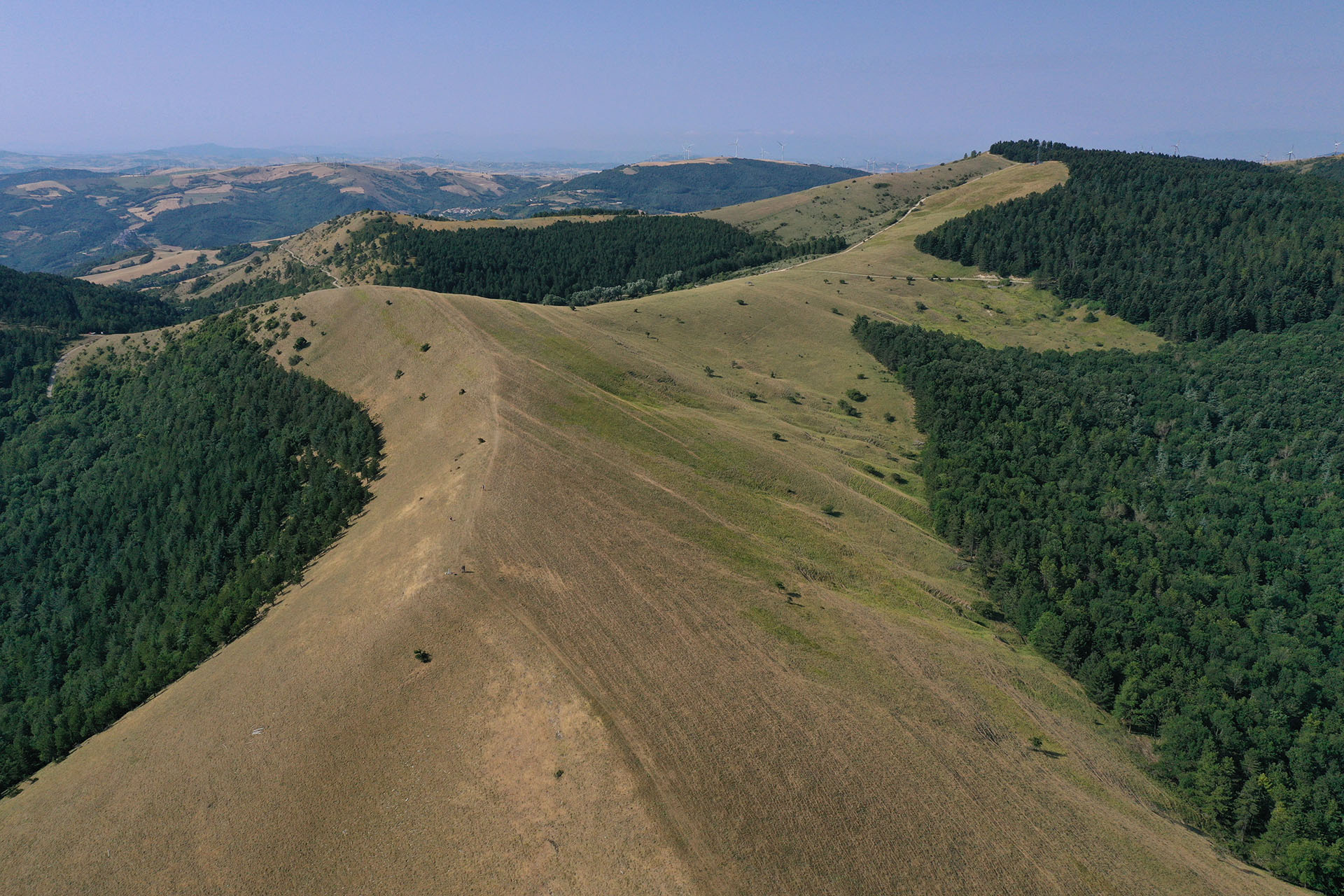
At 1,151 metres above sea level, Monte Cornacchia is the highest summit in the whole of Puglia. It is not a mountain that imposes itself with dramatic outlines or sheer walls, but with the real sensation of standing above everything, with views reaching as far as Irpinia, the Gargano, the Maiella and the Tavoliere delle Puglie.
We are in the Alta Valle del Celone, in the heart of the Daunian Apennines, in a territory that lies off the routes of mass tourism and keeps its identity intact. Here, among high meadows, mixed woods and deep silence, Puglia reveals an unexpected mountain face, watched over jointly by the historic communities of the valley that share the slopes of this stone giant.
Castelluccio Valmaggiore and Faeto: the two guardians of the summit
The upland territory surrounding and leading to the summit is watched over by two medieval villages of the Daunian Apennines, on different but complementary slopes. On one side, Castelluccio Valmaggiore, perched and rooted in centuries of history, keeps a living bond with the landscape through its famous tower and historic trails; on the other, Faeto, at over 800 metres above sea level, embraces the massif with its immense natural and woodland heritage. The summit itself lies on the border between the territories of Faeto and Biccari.
For these communities, Monte Cornacchia is not just a scenic backdrop: it is a fundamental part of local identity, a geographical and cultural reference point that marked daily life for centuries. Transhumant sheep farming, the use of high pastures and the sustainable use of timber are the legacy of a symbiotic relationship with the mountain. Both Castelluccio and Faeto are natural gateways to the summit, offering two different but complementary ways of reading the Foggia Subapennines.
The summit: altitude, landscape, wildlife
From the top of Monte Cornacchia, where there is a mountain refuge, the view opens in every direction. To the west lie the hills of Irpinia; to the north-east the outline of the Gargano and, on the clearest days, the peaks of the Maiella; below, wide and luminous, the Tavoliere.
The vegetation along the climb changes gradually with altitude: vast high meadows and pastures alternate with dense woods of conifers and broadleaf trees, including the majestic, extensive beech wood that characterises the Faeto side, creating an environmental mosaic that changes beneath walkers’ feet.
The area’s extraordinary biodiversity is confirmed by the presence of the wolf, an ecological indicator of a healthy mountain ecosystem. Alongside it, the slopes are home to the fox, wild boar, badger, porcupine and roe deer. In the skies above the ridge, the air currents are crossed by many species of birds of prey, most visible in the middle hours of the day.
Hiking and trekking among woods and Apennine ridges
Monte Cornacchia is one of the main destinations for hiking in the Monti Dauni. Its slopes offer routes of varying difficulty, suitable both for experienced hikers and for those trying Apennine trekking for the first time. From Castelluccio Valmaggiore you join exposed panoramic trails, while climbing from the Faeto side the route crosses cool, shady woods, passing places of great natural appeal such as the nearby botanical garden, the Toppo Pescara pond and Monte Sidone (1,061 m above sea level).
The whole area is part of an integrated network of hiking trails; moving on foot lets you discover the massif at the right pace, from the lush forests of Faeto to the rocky viewpoints of Castelluccio.
Mindful travel in the inland areas of Puglia
Monte Cornacchia belongs to the wider context of Puglia’s inland areas, a group of territories rich in historical layers, intact environments and living traditions. Those who choose this part of the region are not looking for beach holidays, but for altitude, silence and clear views.
Once you have reached the summit, the territory does not end on the ridge. Around it lie the villages of Castelluccio and Faeto, with a rich food culture rooted in farming life and the typical products of the Monti Dauni.
Discover more places in Castelluccio Valmaggiore, Faeto and the Alta Valle del Celone: keep exploring the tourism website to learn about the special features of the territory, the guides to the historic monuments and the details of the food festivals and traditional events that bring our mountain communities to life.
AT A GLANCE
Where
Castelluccio Valmaggiore – Faeto
Suitable for
Everyone
Interests
SHARE


PODCAST
L’Alta Valle del Celone
Ten episodes exploring Celle di San Vito, Faeto and Castelluccio Valmaggiore through the voices of those who live in these places every day.
An audio journey through stories, memories, traditions, landscapes and flavours, told by the people of the three towns. The podcast guides visitors in discovering the authentic soul of the Alta Valle del Celone: a land of forests, villages and vibrant communities, where every voice preserves a piece of its identity.
Recommended experiences
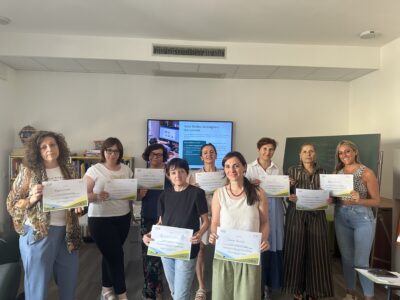
Alta Valle del Celone: a training day on communicating the destination
A meeting in Castelluccio Valmaggiore on the future of tourism …
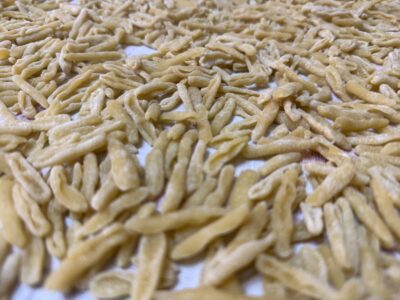
Handmade Pasta Festival
Handmade Pasta Festival in Castelluccio Valmaggiore. Summer in …

Village-style bread balls
Bread balls in Castelluccio Valmaggiore. The ingenuity of …
Keep exploring

Porta del Pozzo and Porta del Piscero
Porta del Pozzo and Porta del Piscero: the stone gateways that …
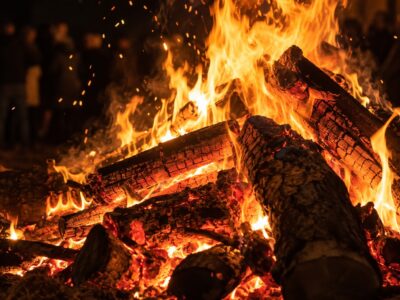
St Joseph’s Bonfire in Faeto
The fire that lights up spring Every year on 19 March, Faeto …

Via Francigena (Castelluccio Valmaggiore)
In the footsteps of pilgrims: the Via Francigena at Castelluccio …