
Monumental Fountain of Piazza Marconi
Reading time:
If there is one element able to tell the deep soul of a place, it is water. In the heart of the Monti Dauni, where life slows down and the…
If there is one element able to tell the deep soul of a place, it is water. In the heart of the Monti Dauni, where life slows down and the landscape opens onto wooded valleys, stands the splendid monumental fountain of Castelluccio Valmaggiore. It is not only a fine piece of architecture but the very symbol of a community that turned local stone into a living story of welcome and renewal.
Set in the beating heart of the village, the monumental fountain of Castelluccio Valmaggiore welcomes visitors with the gentle flow of its water, offering a perfect resting place for slow travel in the Alta Valle del Celone. It is the calling card of a village that has kept its traditions intact and invites you to a mindful discovery of silence, living stone and breathtaking views.
The timeless charm of Castelluccio Valmaggiore
Arriving in this village of the Alta Valle del Celone is like stepping back in time. Cobbled streets, stone houses and the imposing Byzantine Tower dominating the skyline shape an authentic experience. For visitors to Castelluccio Valmaggiore, its appeal lies precisely in its ability to surprise through details: panoramic glimpses, the genuine hospitality of its people and a rich historic heritage that lives in every lane.
The Fountain of Piazza Marconi: history, art and identity in stone
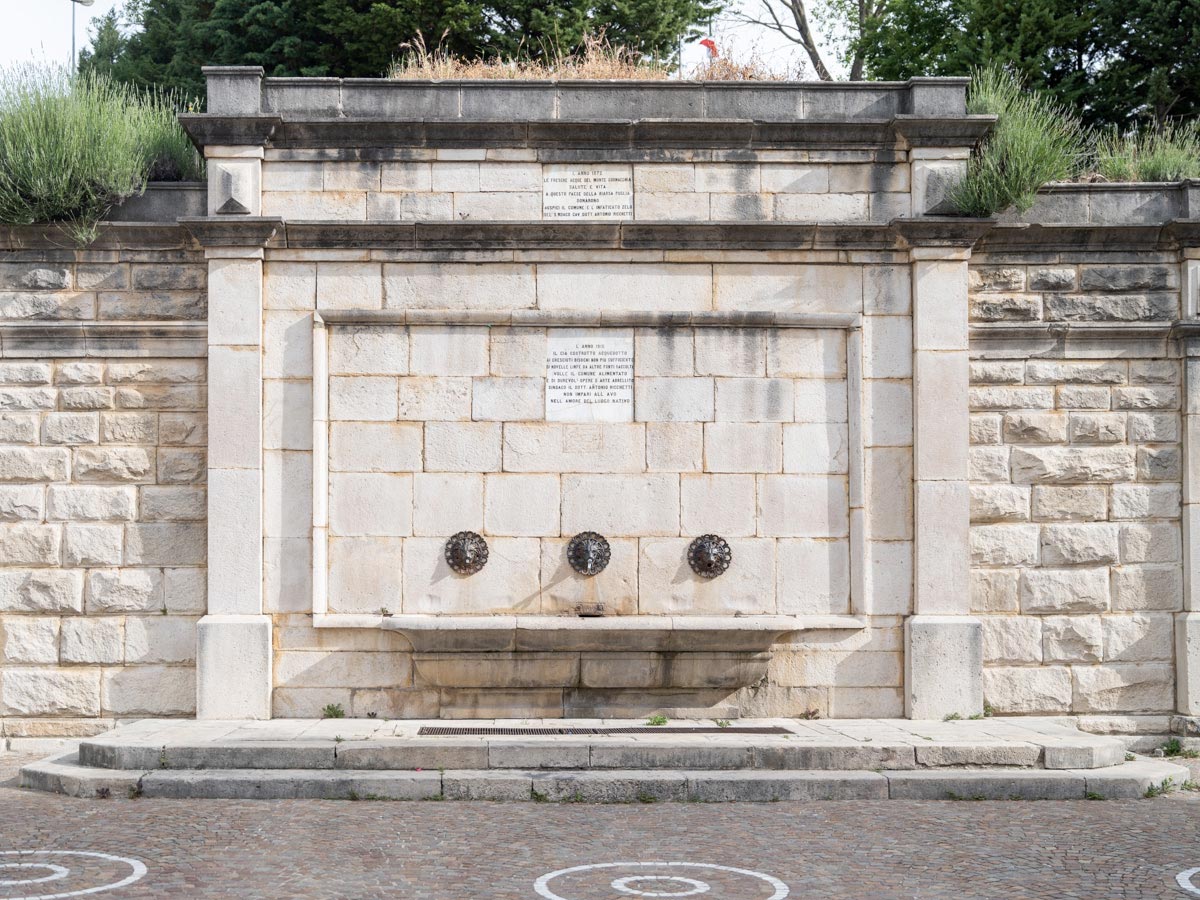
To understand the identity of this village you need to stop in Piazza Marconi. Here the imposing front of the monumental fountain catches the eye. Built in 1872, it is a fine example of the rural architecture of the Monti Dauni, a type of structure that combined public utility with monumental celebration.
The stonemasons’ craft and the structure of the monument
The fountain is made entirely of local stone, hand-worked with great precision by local stonemasons. This trade, once the main one in the village, shaped the very look of the place, handing down an intangible knowledge of inestimable value.
It is a classic example of 19th-century water architecture, with a rigid geometry and a marked axial symmetry. Its structure can be read on three main formal levels:
- The façade: The main front is not a flat, uniform surface but is divided vertically into five bays (or panels). This geometric division serves a double purpose: structural, distributing the loads of the masonry, and aesthetic, giving rhythm and proportion to the whole work.
- The architectural order and the supporting elements: The transition between the vertical sections is marked by projecting pilasters in local stone, built of dressed ashlar (squared and surface-finished stone blocks). Each pilaster follows a precise classical syntax: it rests on a plinth (which emphasises its visual and structural stability on the ground) and ends in a moulded upper cornice, which crowns it and links it to the top of the monument.
- The functional core (the central section): The middle bay is the compositional and visual focus of the work. It houses three bronze animal-head masks, sculptural elements typical of classical fountain iconography, from whose mouths the water flows constantly. The water collects by gravity in the elliptical basin below, a single block of stone used for settling and drawing water.
As a whole, the monument is a perfect synthesis of the practical infrastructure typical of the 19th century and the monumental pride of local craftsmen, where exposed stone and harmonious proportions ennoble a structure originally intended for public and rural water supply.
Originally, the monument had a strong rural function: on either side of the façade there were two troughs for watering animals. These troughs no longer exist and only the central body remains, but the fountain keeps its historic appeal. The history of the fountain of Piazza Marconi in Castelluccio Valmaggiore is closely tied to the daily life of the past, when the square was the meeting point of shepherds, farmers and travellers.
Monte Cornacchia’s gift to “parched Puglia”
Looking up at the top of the monument, your attention is caught by an inscription carved in the stone. Its solemn and moving words read:
“In the year 1872 the fresh waters of Monte Cornacchia gave health and life to this village of parched Puglia, under the auspices of the Municipality and through the tireless zeal of the mayor Cav. Dott. Antonio Ricchetti”.
These words capture the deep emotion of a land historically marked by drought, which celebrated the arrival of water from the slopes of Monte Cornacchia (the highest peak in Puglia) as a true civic miracle, a source of health, hygiene and prosperity.
A resting place on the walking routes of Daunia
Today the square and its fountain have taken on a new role, becoming an essential stop for those exploring the villages of the Monti Dauni on foot. For walkers and lovers of urban trekking, this is the ideal place to fill your bottle with fresh water, rest in the shade and take a souvenir photo before setting off again towards the surrounding nature trails.
The fountain is rightly counted among the most significant historic monuments of the Monti Dauni, telling of the archaeology of water and the craftsmanship of the past. If you are planning a trip through the villages of the Alta Valle del Celone, Castelluccio Valmaggiore and its 19th-century fountain are well worth a stop.
Discover more places in Castelluccio Valmaggiore and the Alta Valle del Celone
Keep exploring to discover the monuments not to be missed, the calendar of seasonal events, the old craft traditions and the most evocative itineraries to experience the authenticity of this land to the full.
AT A GLANCE
Where
Suitable for
Everyone
SHARE
SHARE


PODCAST
L’Alta Valle del Celone
Ten episodes exploring Celle di San Vito, Faeto and Castelluccio Valmaggiore through the voices of those who live in these places every day.
An audio journey through stories, memories, traditions, landscapes and flavours, told by the people of the three towns. The podcast guides visitors in discovering the authentic soul of the Alta Valle del Celone: a land of forests, villages and vibrant communities, where every voice preserves a piece of its identity.
Recommended experiences
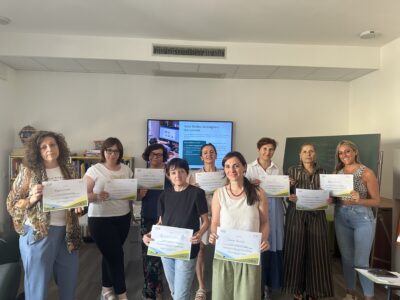
Alta Valle del Celone: a training day on communicating the destination
A meeting in Castelluccio Valmaggiore on the future of tourism …
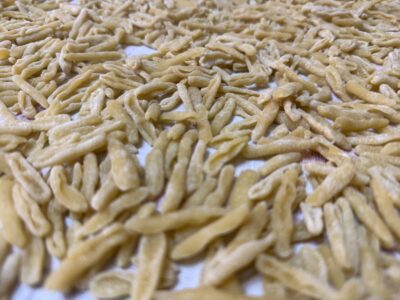
Handmade Pasta Festival
Handmade Pasta Festival in Castelluccio Valmaggiore. Summer in …

Village-style bread balls
Bread balls in Castelluccio Valmaggiore. The ingenuity of …
Keep exploring

Arco dei Provenzali
The Arco dei Provenzali in Celle di San Vito Some monuments sum …
The Faeto Choir
Nuova Provenza Choir, Faeto: the voices that keep a language …
Via Traiana (Castelluccio Valmaggiore)
The Via Traiana at Castelluccio Valmaggiore: where history is …
Lamb Castelluccio-style
The culture of a place is expressed through its ability to …