The statue of Charles I of Anjou in Celle di San Vito
Reading time:
The statue of Charles I of Anjou in Celle di San Vito. On the belvedere of Via dei Provenzali, a few metres from the old Arco dei Provenzali, stands the…
The statue of Charles I of Anjou in Celle di San Vito
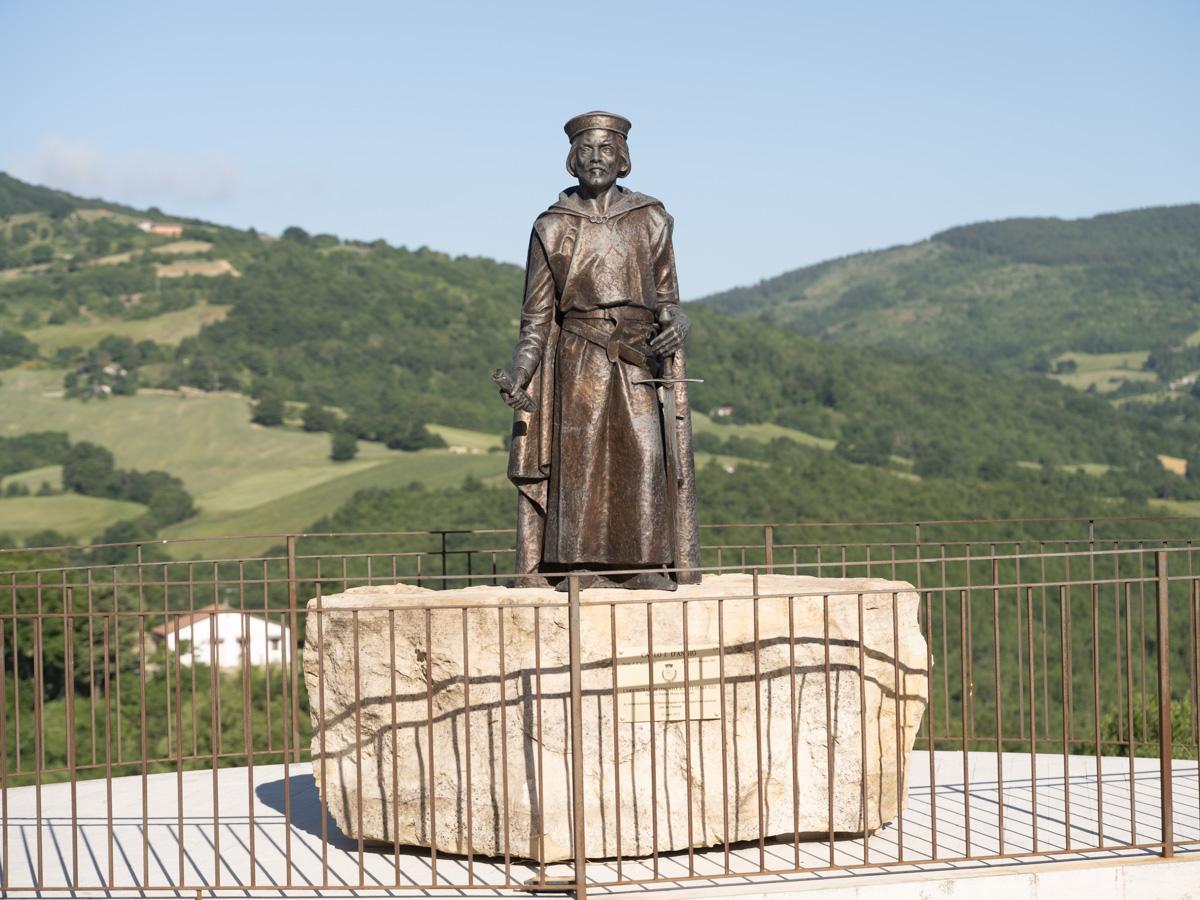
On the belvedere of Via dei Provenzali, a few metres from the old Arco dei Provenzali, stands the bronze statue of Charles I of Anjou, the French king whose rule is linked to the birth of the community of Celle di San Vito.
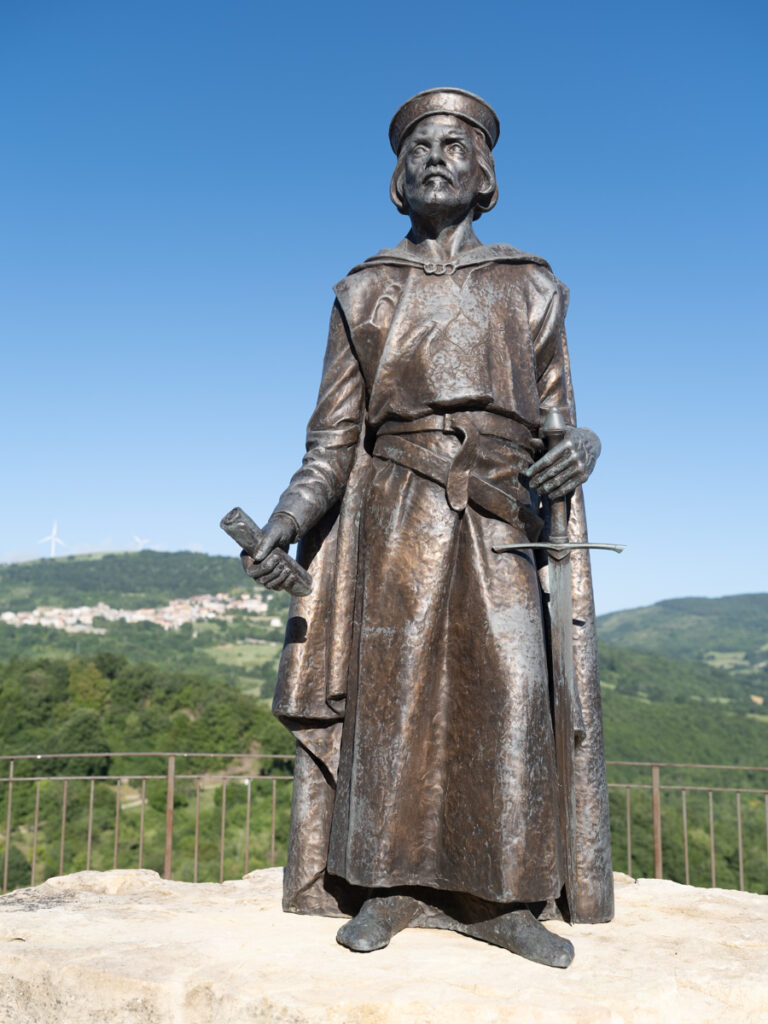
The monument, 1.70 metres tall and made by the Faeto-born sculptor Leonardo Scarinzi, was unveiled on 22 July 2023 and is a tribute to the medieval origins of the village and its distinctive linguistic identity.
Charles I of Anjou and his reign in southern Italy
Charles I of Anjou, son of Louis VIII of France and brother of Louis IX, became King of Sicily in 1266 after defeating Manfred of Swabia at the Battle of Benevento. His reign marked the beginning of Angevin rule in southern Italy and brought important political and military changes. Of particular importance was the surrender of Lucera in 1269, which ended the resistance of the Muslim colony settled in the city during the Swabian period; the colony was finally dispersed in 1300 under his son Charles II.
According to local historical tradition, the arrival of the first groups of French settlers in the Alta Valle del Celone goes back to the Angevin military operations in Capitanata. Some soldiers in the king’s service, from the Franco-Provençal area, are said to have settled with their families in the mountain territory between Faeto and Celle di San Vito. The latter settlement is said to have grown up near some monastic cells on the slopes of Monte San Vito, from which the village also takes its name.
Over the centuries these communities have kept a language distinct from that of the surrounding territories. Today Celle di San Vito and Faeto still form a Franco-Provençal language island, a testimony to the Gallo-Romance presence in southern Italy. The language, recognised and protected by Italian law on historic linguistic minorities, is one of the most significant elements of the cultural heritage of the two municipalities.
The statue of Charles I of Anjou, a tribute to the origins
The decision to dedicate a statue to Charles I of Anjou arose precisely from the wish to remember this bond. The project was promoted by the municipal administration led by the mayor Palma Maria Giannini, who in 2022 sent an official invitation to the President of the French Republic, Emmanuel Macron, to attend the ceremony. The Élysée replied through the President’s Chief of Staff, thanking her for the invitation, and the unveiling was later set for the summer of 2023.
The ceremony on 22 July was attended by Lise Moutoumalaya, Consul General of France for southern Italy and director of the Institut Français in Naples. Her presence also gave the event a diplomatic significance, symbolically renewing the relationship between Celle di San Vito and France. During the ceremony the mayor presented the French representative with the keys of the town and a painting of the village. The day continued with music from the band, an official dinner and a fireworks display.
The location of the monument is no accident. The statue stands next to the Arco dei Provenzali, one of the architectural features recalling the origins of the community, in a panoramic spot from which you can see the nearby village of Faeto. The king is depicted standing, with a wide cloak and a sword, in an iconography that recalls his political and military role.
The statue is therefore a contemporary work, but its meaning goes back to a story that began more than seven centuries ago.
Through the figure of Charles I of Anjou, Celle di San Vito remembers the period in which the historical conditions arose for the birth of its community and for the spread of a language that, handed down from generation to generation, has survived to the present day.
AT A GLANCE
Where
Celle di San Vito
Suitable for
Everyone
SHARE


PODCAST
L’Alta Valle del Celone
Ten episodes exploring Celle di San Vito, Faeto and Castelluccio Valmaggiore through the voices of those who live in these places every day.
An audio journey through stories, memories, traditions, landscapes and flavours, told by the people of the three towns. The podcast guides visitors in discovering the authentic soul of the Alta Valle del Celone: a land of forests, villages and vibrant communities, where every voice preserves a piece of its identity.
Recommended experiences
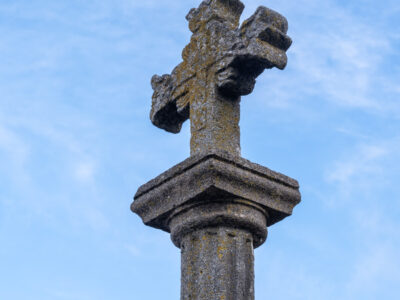
The Cross of the Provençals in Celle di San Vito
The Cross of the Provençals in Celle di San Vito Among the …
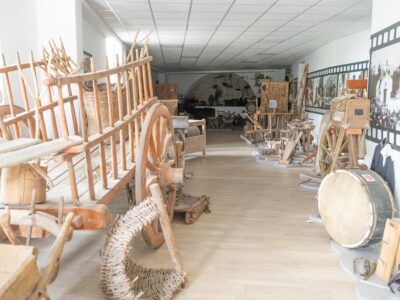
“Vincenzo Rubino” Museum of Franco-Provençal Rural Life
“Vincenzo Rubino” Museum of Franco-Provençal Rural Life …
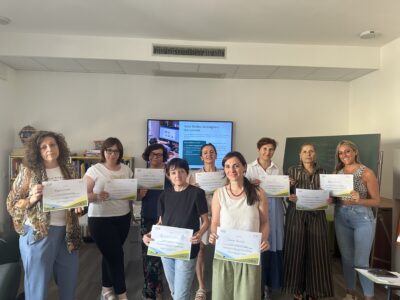
Alta Valle del Celone: a training day on communicating the destination
A meeting in Castelluccio Valmaggiore on the future of tourism …
Keep exploring

Arco dei Provenzali
The Arco dei Provenzali in Celle di San Vito Some monuments sum …

St Joseph’s Bonfire in Faeto
The fire that lights up spring Every year on 19 March, Faeto …

Camporeale-Foggia Tratturello (Celle di San Vito)
The Camporeale-Foggia Tratturello at Celle di San Vito The …