
Ppìzze do le ccìcule: The Ciccioli Pizza of the Franco-Provençal Communities
Tempo di lettura:
There is a dough that carries the flavor of January. Of smoke-filled kitchens, hands working in the cold, and two mountain communities gathered around a freshly slaughtered pig. The ciccioli…
There is a dough that carries the flavor of January. Of smoke-filled kitchens, hands working in the cold, and two mountain communities gathered around a freshly slaughtered pig. The ciccioli pizza of the Foggia Apennines, known in the Franco-Provençal dialect as ppìzze do le ccìcule, is one of those dishes that cannot be separated from the mountain landscape where it was born.
It belongs to Faeto as naturally as the stone of its narrow streets, yet through a deep and longstanding cultural exchange between neighboring communities, it has also become a fundamental part of the intangible heritage shared with nearby Celle di San Vito. These two municipalities, the only custodians of the Franco-Provençal language in southern Italy, share not only the same linguistic roots but also the customs, rituals, and recipes connected to mountain household traditions.
A Dough That Comes from the Past
In the villages of the Monti Dauni (Dauni Mountains), winter cuisine has always revolved around the processing of the pig. Not because of abundance, but out of necessity: every part of the animal had its purpose, and every bit of fat served to sustain the household.
The ciccioli, the solid pieces left after rendering sugna or lard, were never discarded. Instead, they were finely minced and skillfully incorporated into bread dough together with boiled potatoes, eggs, a pinch of baking soda, and salt. The result was a rich, fragrant bread capable of nourishing and warming people throughout the harsh winter months.
This traditional recipe has been handed down for centuries without ever being written, passing from bakery to bakery and crossing municipal boundaries. Geographic proximity and a shared historical origin allowed the preparation of ppìzze do le ccìcule to become a common anthropological feature. In Celle di San Vito, this rustic pizza is prepared almost exactly as it is in Faeto, demonstrating how territorial closeness creates enduring cultural ties, where food becomes a shared language.
The Black Pig and the Gastronomic Identity of the Alta Valle del Celone
A Recognized Product, A Living Tradition
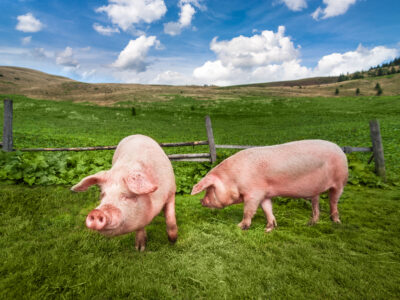
The gastronomy of this mountain district is firmly rooted in pig farming. The Monti Dauni black pig, raised in semi-free-range conditions across these hills, has been recognized as a Traditional Agri-food Product (PAT) by the Italian Ministry of Agriculture since 2005.
This certification is more than a label: it is official recognition of a local supply chain, a native breed, and farming practices that have resisted industrial standardization. Ppìzze do le ccìcule exists within this shared local system. Every element of the recipe—from the ciccioli obtained by rendering sugna to the baking process—reflects a production tradition in which nothing is wasted and everything is transformed.
The Pork Festival: Forty Years of Collective Memory
Every year, between January and February, Faeto celebrates the Sagra del Maiale (Pork Festival), one of the longest-running and most cherished events dedicated to the traditional cuisine of the Monti Dauni villages.
With more than forty editions, the festival is far more than a food event. It is a community ritual involving, in spirit, the entire Alta Valle del Celone. Pig slaughtering, meat processing, cured meat production, and, naturally, the baking of ppìzze do le ccìcule are all reenacted. It is one of the moments when the enclave fills once again with voices, smoke, and ancient aromas, drawing residents from nearby Celle di San Vito into a shared celebration of identity.
Food Tourism Among the Historic Villages of Daunia
Those planning a journey through the medieval villages of inland Puglia (Apulia) will find in this valley an extraordinary anthropological case study. The cultural uniqueness rooted in the Middle Ages, when Provençal soldiers and settlers established themselves in the Apennines, is directly reflected in the local cuisine.
Even the name of the dish, ppìzze do le ccìcule, preserves traces of that ancient phonetics, still embedded in the speech of both Faeto and Celle di San Vito.
For visitors arriving in the Alta Valle del Celone in search of authentic local gastronomy, this pizza with ciccioli is an essential stop on the valley’s culinary journey. From this preparation unfold the stories of local cured meats, such as the renowned Prosciutto di Faeto PAT, homemade bread baked with ancient durum wheat varieties, and a peasant cuisine that needs no reinvention to remain authentic.
How Ppìzze do le ccìcule Is Prepared
The preparation follows a precise seasonal rhythm.
Sugna or lard is slowly rendered over low heat until only crispy ciccioli remain, which are then finely minced. The same dough used for bread is vigorously kneaded together with the ciccioli, boiled potatoes, eggs, a pinch of baking soda, and salt. The dough is left to rise for a long time near the warmth of the fireplace before being baked.
The result lies somewhere between enriched bread and a rustic pie: firm and golden on the outside, soft on the inside, with the rich, savory flavor that only pork ciccioli can provide.
It is not a recipe for every season. It is a winter dish, inseparably linked to the cold months and to the ritual of pig slaughtering. Enjoying it freshly baked during winter in the bakeries of Faeto or in the homes of Celle di San Vito is a cultural experience that is difficult to reproduce anywhere else.
An Intangible Heritage to Explore
Ppìzze do le ccìcule is one expression of a territory with many stories to tell: the Franco-Provençal language still proudly spoken today, historic centers perched more than 700 meters above sea level, the oak and beech forests of the Dauno Apennines, and folk traditions connected to the agricultural cycle.
Here, food is inseparable from culture; it is one of its most direct and tangible expressions.
Discover the other places and intangible heritage of the Alta Valle del Celone: from its linguistic traditions to the medieval history of its villages, from nature itineraries through the Monti Dauni to the festivals and events that bring the local calendar to life.
AT GLANCE
Where
Faeto – Celle di San Vito
Type
Suitable for
All
Interests
SHARE


PODCAST
L’Alta Valle del Celone
Ten episodes exploring Celle di San Vito, Faeto and Castelluccio Valmaggiore through the voices of those who live in these places every day.
An audio journey through stories, memories, traditions, landscapes and flavours, told by the people of the three towns. The podcast guides visitors in discovering the authentic soul of the Alta Valle del Celone: a land of forests, villages and vibrant communities, where every voice preserves a piece of its identity.
Recommended experiences
The Highest Municipality in Puglia
The geography of the inland Foggia area holds remarkable …

Fresh Pasta Festival in Castelluccio Valmaggiore
Summer in the small villages of the Puglian (Apulian) Apennines …
Fresh Pasta in Celle di San Vito
There is an inseparable bond between the table of a small …
Keep exploring
The Highest Municipality in Puglia
The geography of the inland Foggia area holds remarkable …
Fresh Pasta Festival in Castelluccio Valmaggiore
Summer in the small villages of the Puglian (Apulian) Apennines …
Fresh Pasta in Celle di San Vito
There is an inseparable bond between the table of a small …
Ppìzze do le ccìcule: The Ciccioli Pizza of the Franco-Provençal Communities
There is a dough that carries the flavor of January. Of …