
Torcinelli
Reading time:
A humble, essential dish, built on embers and on using the whole animal. In the Alta Valle del Celone, among the villages of the Daunian Subapennines, this preparation survives as…
Torcinelli: the soul of the table in the Alta Valle del Celone
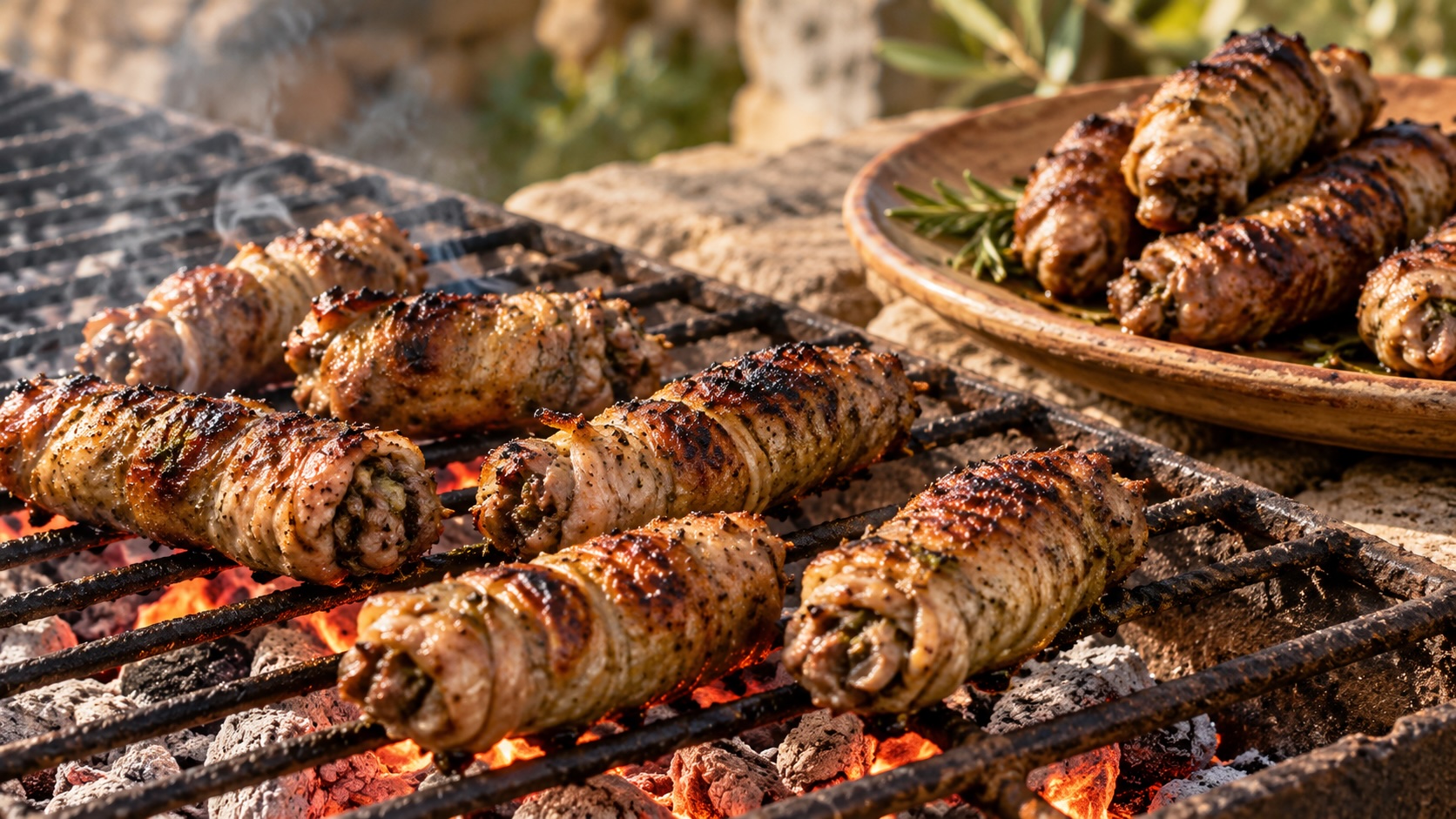
Torcinelli are a humble, essential dish, built on embers and on using the whole animal. In the Alta Valle del Celone, among the villages of the Monti Dauni, this preparation survives as living testimony of a farming culture that has never stopped feeding those who live here and those who visit.
Torcinelli: history and identity of an ancient dish
From frugal cooking to the festive table
Torcinelli, also known in other parts of Puglia as gnumeriedde or gnummareddi, are small rolls of lamb or kid offal wrapped in the intestines of the same animal and traditionally cooked over embers. The dish belongs to shepherds’ cooking: the offal is carefully cleaned, seasoned, wrapped and tied with the intestine, then slowly roasted over the embers. Nothing is thrown away, everything is transformed.
In the pastoral tradition of the Monti Dauni, slaughtering a lamb was a collective, almost ritual moment. The prime cuts were kept for special occasions; the offal, on the other hand, was food for everyone, which families knew how to make the most of with skilled hands and the right fire. Torcinelli were born from this: necessity turned into know-how, respect for the animal raised to culinary technique.
A dish of the province of Foggia
In the traditional cooking of the Monti Dauni, torcinelli are one of the most deeply rooted dishes of the Foggia area. In Faeto, though, the context is different: the village, its language and its distinct history give it a version with a character of its own, even when the recipe shares the same basic grammar.
What to eat in Faeto: the table around the torcinelli
Ciambòtte: the dish of “putting together”
Alongside torcinelli, the cuisine of Faeto, Celle di San Vito and Castelluccio Valmaggiore is built on recipes that make the most of the local larder. Among these, ciambòtte, whose dialect name evokes the idea of a mixture, an assembly, is perhaps the most representative dish of the cooking of leftovers. It is made with vegetables, beans and whatever the season offers: a dish that changes shape depending on who cooks it but always keeps the same spirit of sharing.
In the cuisine of the Monti Dauni, beans play a central role: they appear in many recipes, accompany meat and vegetables, and take centre stage in winter soups. Eating them in Faeto, ideally after tasting torcinelli cooked over the embers, takes you right into this corner of Apulian cooking.
The Ham Festival and local products
For many visitors, the gateway to Faeto is the August cured ham festival: an event that draws food and wine lovers from all over the region and beyond. But those who stay discover that the ham is only the beginning. Torcinelli, ciambòtte, beans in all their forms: the traditional cooking of the Daunian Subapennines offers a whole grammar to explore, dish by dish.
Slow travel in the inland areas: the Alta Valle del Celone as an authentic destination
Slow travel in Puglia’s inland areas has found in the villages of the Daunian Subapennines one of its most fitting territories. These are not postcard villages but places where life still follows its own rhythms, where food is still home-made and where crafts and oral memory endure. Those looking for authentic food experiences in the Monti Dauni find a real answer here, made of recognisable flavours and stories to listen to.
Keep discovering the Alta Valle del Celone
Torcinelli are just one of the many specialities of these places. The Alta Valle del Celone holds places, traditions, events and natural landscapes that deserve equal attention: trails through the woods of the Celone, medieval architecture, the Franco-Provençal language still spoken, and itineraries among the historic villages of the Subapennines.
Discover more places in Faeto and the Alta Valle del Celone: from history to traditions, from nature to food and wine itineraries.
AT A GLANCE
Where
Faeto- Celle di San Vito- Castelluccio Valmaggiore
Type
Suitable for
Everyone
Interests
SHARE


PODCAST
L’Alta Valle del Celone
Ten episodes exploring Celle di San Vito, Faeto and Castelluccio Valmaggiore through the voices of those who live in these places every day.
An audio journey through stories, memories, traditions, landscapes and flavours, told by the people of the three towns. The podcast guides visitors in discovering the authentic soul of the Alta Valle del Celone: a land of forests, villages and vibrant communities, where every voice preserves a piece of its identity.
Recommended experiences
Alta Valle del Celone: a training day on communicating the destination
A meeting in Castelluccio Valmaggiore on the future of tourism …
Pizza with pork crackling
La pizze dò le cíccule: the crackling pizza of the …
Keep exploring
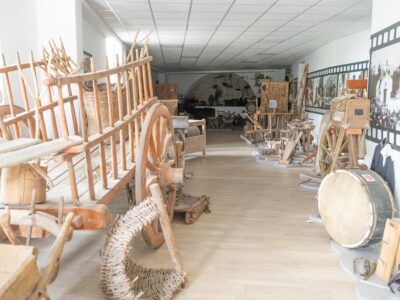
“Vincenzo Rubino” Museum of Franco-Provençal Rural Life
“Vincenzo Rubino” Museum of Franco-Provençal Rural Life …
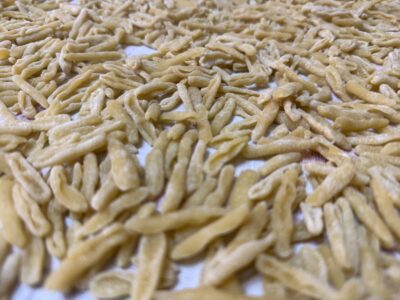
Handmade Pasta Festival
Handmade Pasta Festival in Castelluccio Valmaggiore. Summer in …

The Petrera Pine Forest
Petrera Pine Forest: the woods at the gates of Castelluccio …
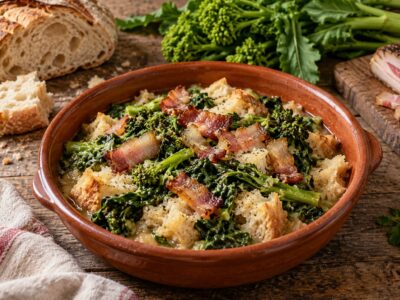
Pancotto with turnip tops and guanciale
The pancotto of Castelluccio Valmaggiore. The culinary culture …