Camporeale-Foggia Tratturello (Celle di San Vito)
Reading time:
The Camporeale-Foggia Tratturello at Celle di San Vito The ancient grassy drove roads linking the Apennine peaks with the plains of the Tavoliere hold the material memory of an economy…
The Camporeale-Foggia Tratturello at Celle di San Vito
The ancient grassy drove roads linking the Apennine peaks with the plains of the Tavoliere hold the material memory of an economy based on the seasonal migrations of shepherds. In the southern part of the Foggia Subapennines, the historic route of the Camporeale-Foggia Tratturello at Celle di San Vito is one of the most intact remains of this age-old road network. Used for centuries to move flocks, this tratturello cuts across the municipality, marking its southern boundary, and is today a favourite itinerary for lovers of historical and nature walks.
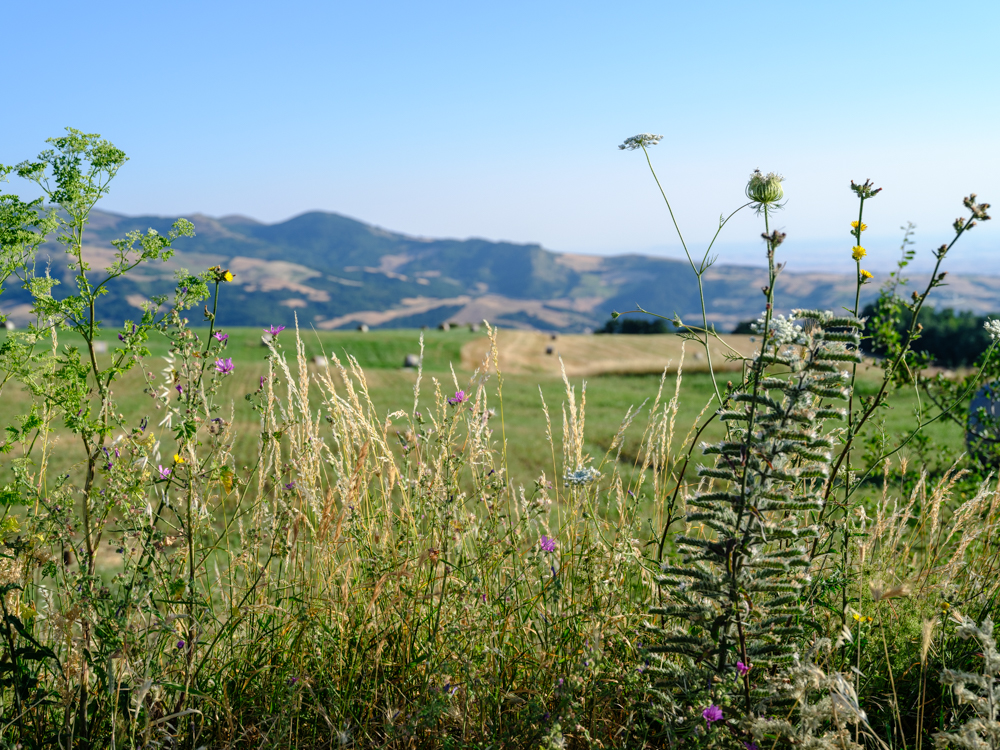
Reviving this route makes it possible to follow the transhumance trails of the Monti Dauni, tracing a rural road network preserved by time. Walking along the tratturello means crossing mountain meadows and ancient strategic passes, exploring a green corridor that for generations united distant cultures, dialects and communities.
The charm of the Franco-Provençal village and its green paths
Celle di San Vito greets visitors as a compact cluster of pale stone, set on the upland ridges overlooking the Celone valley. Known for its spontaneous hospitality and for safeguarding its Franco-Provençal linguistic minority, the village is the ideal starting point for outdoor activities devoted to discovering Celle di San Vito through excursions and nature.
A few steps from the historic centre, the built landscape gives way to a dense network of country paths. This area fits fully into today’s circuits of slow travel and green walking routes in inland Puglia, attracting hikers looking for unspoilt routes, away from commercial tourism and immersed in the silence of the mountains.
Geography and history along the Tratturello
The dense network of pastoral routes requires careful study of historical maps to be fully understood. By consulting the historical maps of the tratturi and tratturelli of the province of Foggia, you can reconstruct the old network of transhumance routes, identifying the main lines followed by the flocks and the links between the mountains and the Tavoliere plain. Particularly significant is the Foggia-Camporeale Tratturello, which also crossed the territory of Celle di San Vito, passing through places of great historical, geographical and scenic value. The reference site for the maps is here: https://transumanza.eu/mappe/
The route reaches its highest point, 947 metres above sea level, at the San Vito pass, the mountain pass that served as a natural gateway between the two sides of the Apennines. Dominating the pass is the strategic height of the Castiglione, a rocky spur on which in the Middle Ages stood the castle of Crepacuore, now reduced to a few ruins, a fortress tasked with controlling traffic through the valley. Descending towards the foot of the Castiglione, the route passes the historic Casale di San Vito, an old rural place of hospitality where a little church stood, faithfully rebuilt in 2015 as a sign of the local community’s undying devotion.
These features make the route a compendium of the civilisation of transhumance and the local history of Puglia, where every rocky spur tells of the toil of shepherds and of medieval defence. Along the grassy paths you also find signs of worked stone, belonging to the heritage of rural architecture and dry-stone structures, such as retaining walls on the slopes, old pasture boundaries and traces of fountains and wash-houses.
Upland hiking and the flavours of the shepherds
Reviving the tratturello makes it possible to create itineraries linking several municipalities. The route can easily be connected with wider trekking plans in the Alta Valle del Celone and its main itineraries, making it easy to travel on foot between Celle di San Vito, the upland woods of Faeto and the tower of Castelluccio Valmaggiore.
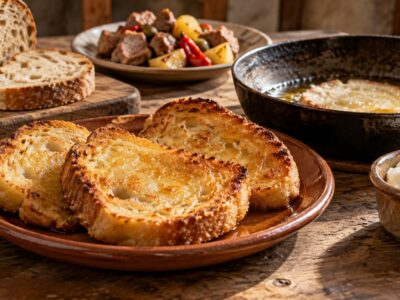
Walking through the Apennine landscapes and valleys of Daunia lets you observe the wild flora and the oak woods surrounding the pastures, offering a refreshing experience for the body. The journey into pastoral culture finds its natural completion in the food of the territory. Stopping in the villages of the valley reveals the authentic flavours of shepherds’ cooking: from aged pecorino to cacioricotta and simple recipes of pulses and wood-fired bread, every taste recalls the food once eaten on the road during transhumance.
Discover the Alta Valle del Celone
The ancient traces of grass and stone of the Camporeale-Foggia Tratturello are the perfect route for understanding the centuries-old farming and pastoral culture of the Subapennines.
Discover more places in Celle di San Vito and the Alta Valle del Celone: keep browsing the tourism website to find the pages on the monuments of the three villages. If you want to find the route of the Via Francigena, you can find it here: https://www.viefrancigene.org/it/home
AT A GLANCE
Where
Celle di San Vito – Castelluccio Valmaggiore
Suitable for
Everyone
Interests
SHARE


PODCAST
L’Alta Valle del Celone
Ten episodes exploring Celle di San Vito, Faeto and Castelluccio Valmaggiore through the voices of those who live in these places every day.
An audio journey through stories, memories, traditions, landscapes and flavours, told by the people of the three towns. The podcast guides visitors in discovering the authentic soul of the Alta Valle del Celone: a land of forests, villages and vibrant communities, where every voice preserves a piece of its identity.
Recommended experiences
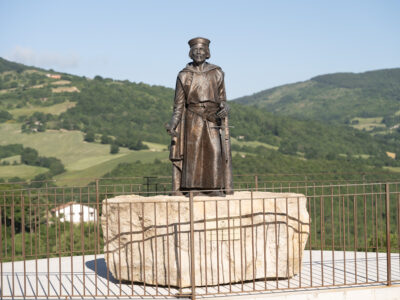
The statue of Charles I of Anjou in Celle di San Vito
The statue of Charles I of Anjou in Celle di San Vito. On the …
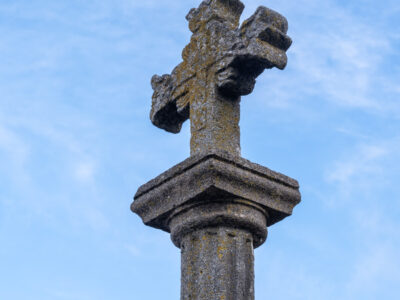
The Cross of the Provençals in Celle di San Vito
The Cross of the Provençals in Celle di San Vito Among the …
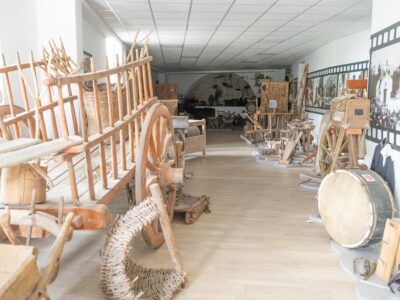
“Vincenzo Rubino” Museum of Franco-Provençal Rural Life
“Vincenzo Rubino” Museum of Franco-Provençal Rural Life …
Keep exploring

Porta del Pozzo and Porta del Piscero
Porta del Pozzo and Porta del Piscero: the stone gateways that …
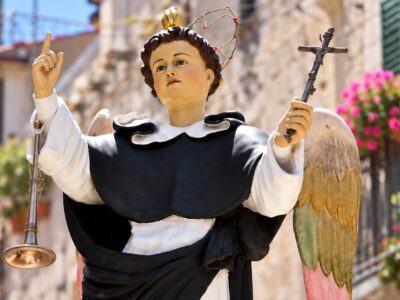
Feast of San Vincenzo Ferrer
The summer calendar of the Apulian Apennines reaches its …
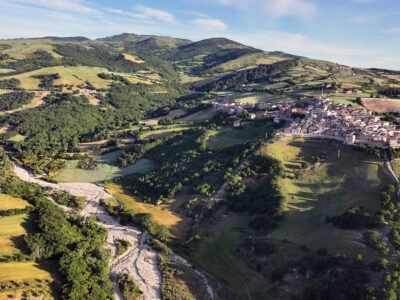
Via Traiana (Castelluccio Valmaggiore)
The Via Traiana at Castelluccio Valmaggiore: where history is …