Panunte of Faeto: Bread Fried in Lard, the Living Memory of the Monti Dauni
Tempo di lettura:
There is a distinctive scent that marks winter in Faeto: the aroma of bread sizzling in pork fat over the fire inside the village homes. Panunte, called panùnte in the…
There is a distinctive scent that marks winter in Faeto: the aroma of bread sizzling in pork fat over the fire inside the village homes. Panunte, called panùnte in the Faeto dialect, from the verb “to grease,” are one of those foods that cannot be explained by their ingredients alone. They are an ancient gesture, a seasonal ritual, a tangible expression of identity that has endured through time.
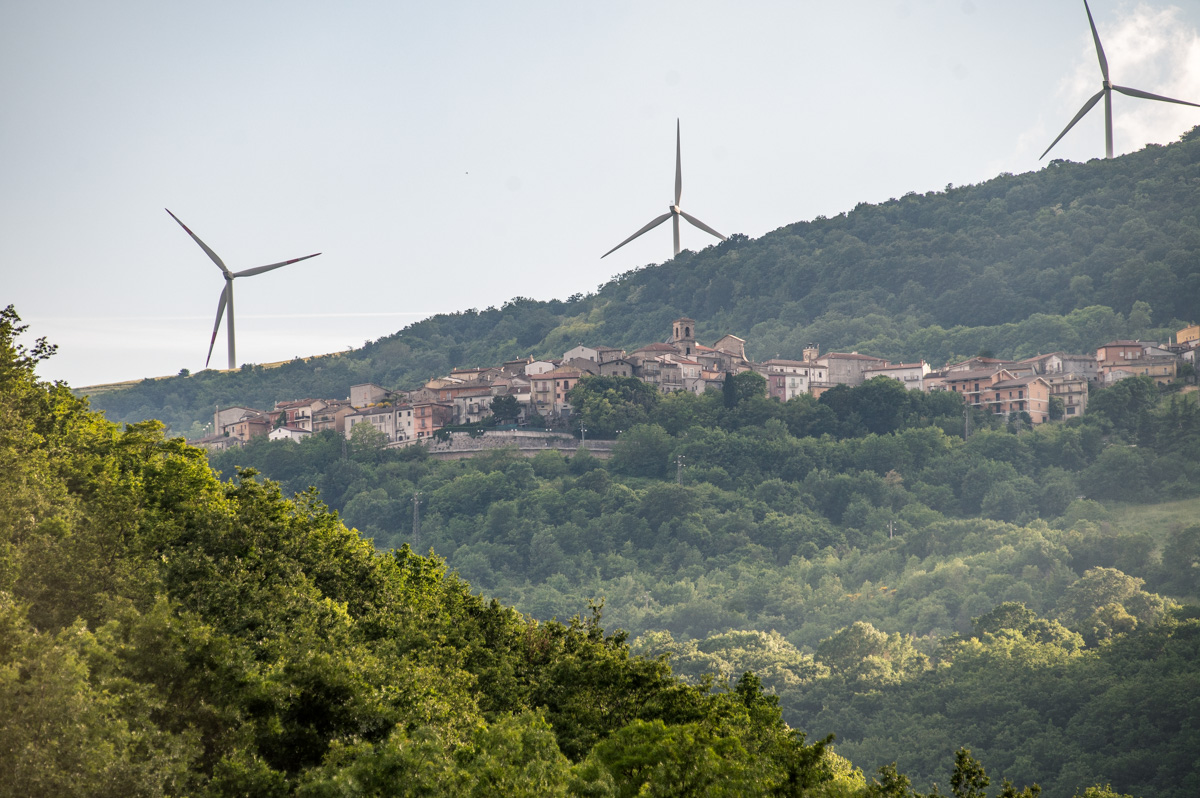
To speak of fried bread in Faeto is to enter the heart of the pork-butchering tradition of one of the most distinctive villages in Puglia (Apulia): a Franco-Provençal community nestled in the Monti Dauni (Dauni Mountains), where language, cuisine, and memory remain inseparably connected.
Panunte: From Peasant Cooking to the Festive Table
A Dish Born of Necessity, Now a Symbol
Panunte originated as a food for the cold months. When pigs were slaughtered between November and January, every part of the animal found a purpose, and fat was among the most valuable resources. Sugna, the lard rendered from pork fat, became the preferred cooking medium: bread was dipped into it and fried, creating the golden crust and rich, enveloping flavor that still define traditional panunte today.
It was never an elaborate recipe. It was substantial cooking: bread, fat, and heat. An effective response to the cold winters of the Monti Dauni and the demands of agricultural work. Yet, as often happens with humble foods, panunte gradually acquired a deeper meaning. They became the moment around which the community gathered, the dish that marked the beginning of the pork-butchering season, and the food shared after the slaughter.
Suffrì and Traditional Pairings
Panunte are never eaten on their own. The classic pairing is with suffrì, a pork offal sauté slowly cooked with spices and preserved in fat, but they are also served with aged lard, boiled white beans, or the cured meats prepared in the days following the slaughter. This combination of pork sauté and fried bread belongs to the tradition of rural inland Puglia, sharing its roots with the humble cuisines of the southern Apennines while retaining a distinctly Faeto character.
The Pork Festival: When Panunte Become a Celebration
Every year during the winter season, Faeto celebrates the Sagra del Maiale (Pork Festival), one of the most authentic events in the gastronomy of the Monti Dauni, attracting visitors from across Puglia and beyond. It is the occasion when panunte leave private kitchens and become a communal dish, served hot on long outdoor tables or in the village’s eateries.
What should you eat in Faeto during the festival? Panunte, of course, along with a succession of tastings that showcase the entire black pig tradition: fresh sausages, soppressata, pork cracklings, and seasoned lard. The festival is more than a gastronomic event, it is an open window onto a tradition that has never been interrupted in Faeto.
Panunte as Heritage: Food, Language, and Identity
What distinguishes the panunte of Faeto from similar dishes found elsewhere in southern rural cuisine is the context in which they were created and continue to exist. Faeto is one of only two Franco-Provençal villages in Puglia where cultural identity has been preserved with remarkable consistency. Language, dialect, culinary traditions, and seasonal rhythms still form a unified cultural system.
In this sense, panunte are not simply an example of the traditional cuisine of the Alta Valle del Celone. They are a typical product of Faeto, belonging to the same cultural network as the local language, patronal festivals, and the artisanal production of cured meats. Eating them in Faeto means taking part in something that cannot truly be replicated elsewhere. This uniqueness is both the hardest quality to imitate and the greatest treasure awaiting those who embrace slow tourism in the Dauno Sub-Apennines.
Discover More Flavors and Places of the Alta Valle del Celone
Panunte are just one of the many elements that make Faeto and the Alta Valle del Celone an authentic destination for those seeking the gastronomic traditions of the Monti Dauni, unspoiled landscapes, and cultural heritage beyond the usual tourist routes.
Continue exploring the other places of Faeto and the Alta Valle del Celone, from pork-butchering traditions to Franco-Provençal history, from forest trails to the seasonal events that bring the village to life throughout the year.
AT GLANCE
Where
Faeto
Type
Suitable for
All
Interests
SHARE


PODCAST
L’Alta Valle del Celone
Ten episodes exploring Celle di San Vito, Faeto and Castelluccio Valmaggiore through the voices of those who live in these places every day.
An audio journey through stories, memories, traditions, landscapes and flavours, told by the people of the three towns. The podcast guides visitors in discovering the authentic soul of the Alta Valle del Celone: a land of forests, villages and vibrant communities, where every voice preserves a piece of its identity.
Recommended experiences
The Highest Municipality in Puglia
The geography of the inland Foggia area holds remarkable …

Fresh Pasta Festival in Castelluccio Valmaggiore
Summer in the small villages of the Puglian (Apulian) Apennines …
Fresh Pasta in Celle di San Vito
There is an inseparable bond between the table of a small …
Keep exploring
The Highest Municipality in Puglia
The geography of the inland Foggia area holds remarkable …
Fresh Pasta Festival in Castelluccio Valmaggiore
Summer in the small villages of the Puglian (Apulian) Apennines …
Fresh Pasta in Celle di San Vito
There is an inseparable bond between the table of a small …

Ppìzze do le ccìcule: The Ciccioli Pizza of the Franco-Provençal Communities
There is a dough that carries the flavor of January. Of …