Castle of Crepacore
Reading time:
Castrum Crepacordis: the medieval castle that watched over the Apennines At 959 metres above sea level, on the summit of Monte Castiglione, whose very name recalls a castle, only traces…
Castrum Crepacordis: the medieval castle that watched over the Apennines
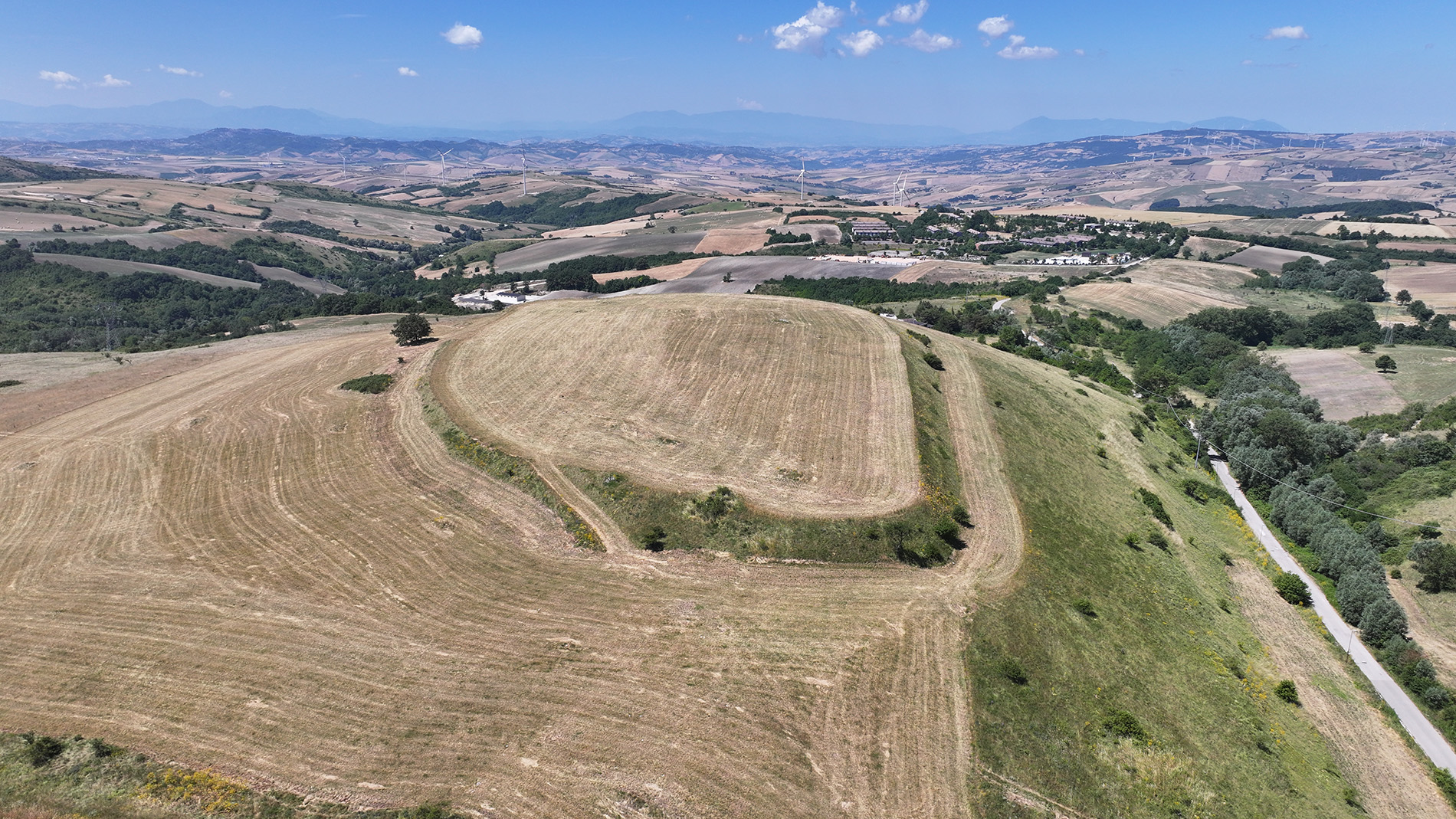
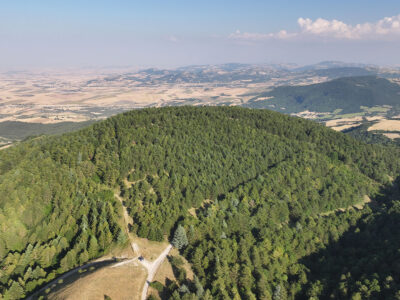
At 959 metres above sea level, on the summit of Monte Castiglione, whose very name recalls a castle, only traces remain of one of the most unusual defensive structures of the Monti Dauni: the Castle of Crepacore near Faeto, known in medieval sources as Castrum Crepacordis.
It was not simply a watchtower. It was a strategic stronghold, built to control one of the busiest Apennine passes of the Middle Ages: the San Vito pass, on the Via Francigena, the artery that for centuries connected Christian Europe with the ports of embarkation for the Holy Land. Pilgrims, armies, merchants and knights passed at the foot of this fortress, which watched over their passage from its crags.
The place name: a name that tells stories of stone and war
The very name of the castle is a source of fascination. Crepacuore, or Crepacore in its local variants, is a place name found across Italy and even more in France and Belgium, almost always associated with fortified places. There are many theories about its Latin origin, none entirely certain.
It might derive from crepa(tum) corium, cracked leather, evoking a harsh and inhospitable place. Or from crepa(ta) cortis, a ruined farmstead. Some see a reference to weapons or instruments of coercion kept in the structure: crepa(t) cor(ium), “leather-splitter”. Others interpret the name as a warrior’s nickname: crepa(t) cor, “he who strikes the heart”, or as the mark of someone who has suffered deep wounds, a broken heart.
Another theory, not exclusive of the others, links the name to the Franco-Norman surname De Crèvecœur, itself derived from a place name: this would suggest a link between the fortress and the Norman-Angevin feudal world that shaped the Daunian Subapennines in the Middle Ages.
The setting: where history is layered in the landscape
The castle stood at a point of extraordinary historical density. Less than a hundred metres below its northern slopes ran the Via Francigena, which on this stretch followed the route of the Via Traiana, the Roman consular road built by Emperor Trajan, and of the Camporeale-Foggia tratturello, the ancient transhumance route. Three memories, Roman, medieval and pastoral, layered in the same furrow of land.
About 400 metres north-east of the castle rises the Celone stream, the ancient Aquilone, near the Crepacore farmstead, also called San Vito after the chapel dedicated to the martyr that stood beside it. The chapel, reduced to ruins during the 20th century, was rebuilt in 2015: a small sign of continuity in a slowly changing landscape.
Today the name Crepacore has disappeared from Faeto’s official place names, but it survives in the dialect of Celle di San Vito, a sign of a collective memory more tenacious than land-registry maps.
Trekking, walking routes and slow travel: a territory to explore on foot
The site of the Castrum Crepacordis can be reached on paths that follow the ancient routes of the Via Francigena in the Monti Dauni: a real opportunity for those who enjoy walking holidays or seek slow travel experiences away from crowded circuits. The landscape is that of the southern Apennines: woods, ridges and wide views towards the Tavoliere and the hills of Campania.
Walking these trails means following in the footsteps of medieval pilgrims, Angevin soldiers and transhumant shepherds. It is not nostalgia: it is the real sense of how thin, in certain places, the boundary between past and present can be.
Discover more places in Faeto and the Alta Valle del Celone
The Castle of Crepacore is just one of the threads in the fabric of this territory. Faeto and the Alta Valle del Celone hold much more: historic villages, Franco-Provençal traditions, nature itineraries and a food culture rooted in the flavours of the Daunian Subapennines.
Keep exploring the site: you will find the places to visit, the stories that live in them, the events, the flavours and the walking routes that make this part of Puglia one of the least known and, for that very reason, one of the most authentic.
AT A GLANCE
Where
Faeto
Type
Suitable for
Everyone
SHARE


PODCAST
L’Alta Valle del Celone
Ten episodes exploring Celle di San Vito, Faeto and Castelluccio Valmaggiore through the voices of those who live in these places every day.
An audio journey through stories, memories, traditions, landscapes and flavours, told by the people of the three towns. The podcast guides visitors in discovering the authentic soul of the Alta Valle del Celone: a land of forests, villages and vibrant communities, where every voice preserves a piece of its identity.
Recommended experiences
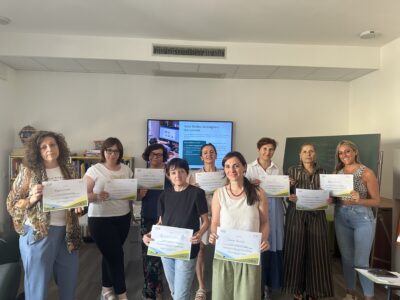
Alta Valle del Celone: a training day on communicating the destination
A meeting in Castelluccio Valmaggiore on the future of tourism …
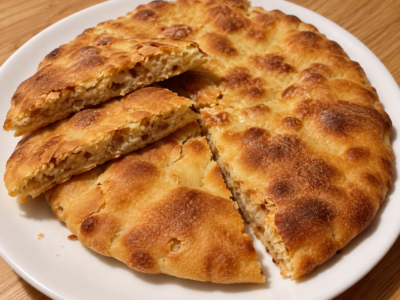
Pizza with pork crackling
La pizze dò le cíccule: the crackling pizza of the …
Keep exploring
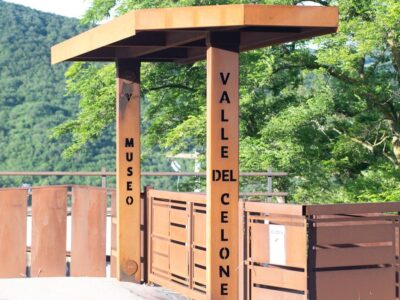
Museo Valle del Celone
Museo Valle del Celone: where the history of the territory takes …
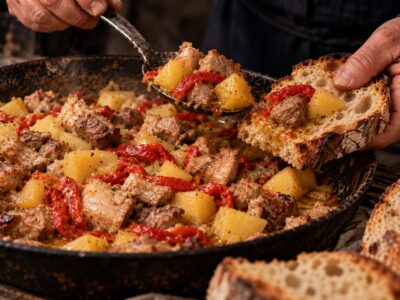
“Féte de lu Cajúnne”, the pork festival
The first Sunday of February in Faeto: when the cold brings a …
Monte Sidone Woods
Exploring the Apennine heights of Puglia reveals complex …