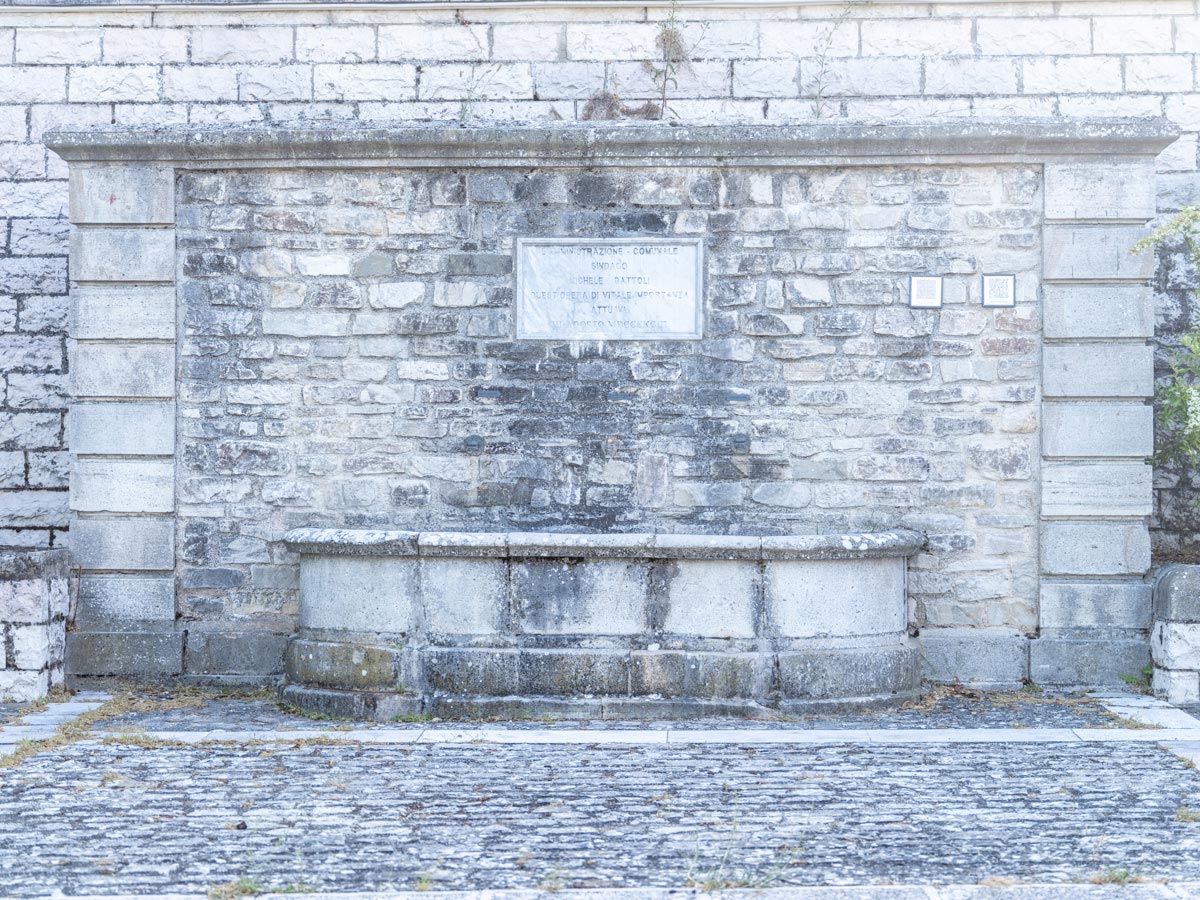
The fountain with public wash-houses
Reading time:
The fountain with public wash-houses, Celle di San Vito The story of Apennine civilisation inevitably passes through the management of springs and the stone of public monuments. In the territory…
The fountain with public wash-houses, Celle di San Vito
The story of Apennine civilisation inevitably passes through the management of springs and the stone of public monuments. In the territory of Capitanata, the Fountain with public wash-houses of Celle di San Vito is one of the most significant places for understanding the daily life and social organisation of past centuries. This old monumental complex, closely linked to the rich water network of the Foggia Subapennines, belongs among the most important historic fountains of the Monti Dauni, a piece of rural archaeology bearing witness to the unbreakable bond between upland communities and the water resources of the territory.
For cultural travellers and walkers exploring the hinterland, the fountain is a must. Its stone structure is not just ornamental but a real material archive of local customs, attracting lovers of anthropology and mindful travel who choose to rediscover the small villages of Puglia through their widespread historic heritage.
Exploring the least populated village in Puglia on foot
The village welcomes visitors with a deep calm, ideal for those wanting a break from the hectic pace of the coast and the plain. Choosing what to see in Celle di San Vito on foot means venturing into a network of well-kept lanes, where every corner shows care for stone and historical memory. The fountain and its wash-houses are an easy walk from the centre, offering a refreshing stop and a step back in time.
This intimate scale makes the village a perfect stop on itineraries through the historic centre of Celle di San Vito. Walking among the stone houses lets you savour the charm of the inland areas, where the warmth of the community meets the beauty of a landscape of unspoilt woods and mountains.
History, architecture and the community identity of water
Architecturally, the public fountain is a pale stone structure with a central body featuring squared corner blocks, a wide front basin and two symmetrically placed side wash basins. Located on Via Fontanella, the complex shows how important the water supply was in the life of rural communities. For generations, before running water reached people’s homes, this was a place of daily work and encounter, especially for the women of the village, who came here to wash clothes and share moments of community life.
Studying this site enriches the map of rural architecture in the Alta Valle del Celone, offering hikers the chance to trace a themed route linking the historic fountains with the mills, farmsteads and transhumance trails of the whole valley.
Planning an itinerary between nature and history
A visit to the historic fountain and wash-houses fits perfectly into a trip aimed at discovering the complexity of the Subapennines. The monument becomes the ideal starting point for nature excursions towards the neighbouring villages of the valley, combining knowledge of local history with close contact with the Apennine environment.
Rediscovering the historic fountains and wash-houses clearly shows how water management shaped the layout and customs of Daunia, inviting visitors to continue their journey and explore the other riches of the territory and the food traditions kept among the mountains of Capitanata.
Discover the Alta Valle del Celone
The stones of the fountain and wash-houses of Celle di San Vito open the way to a connected network linking the small villages of the valley.
Discover more places in Celle di San Vito and the Alta Valle del Celone: keep browsing the site to find the historical pages on the monuments, the maps of the trekking routes and the guides to the traditional events and typical food of the Monti Dauni.
AT A GLANCE
Where
Celle di San Vito
Suitable for
Everyone
SHARE


PODCAST
L’Alta Valle del Celone
Ten episodes exploring Celle di San Vito, Faeto and Castelluccio Valmaggiore through the voices of those who live in these places every day.
An audio journey through stories, memories, traditions, landscapes and flavours, told by the people of the three towns. The podcast guides visitors in discovering the authentic soul of the Alta Valle del Celone: a land of forests, villages and vibrant communities, where every voice preserves a piece of its identity.
Recommended experiences
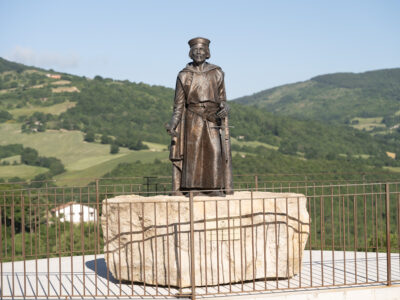
The statue of Charles I of Anjou in Celle di San Vito
The statue of Charles I of Anjou in Celle di San Vito. On the …
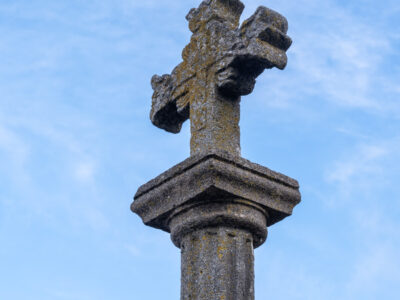
The Cross of the Provençals in Celle di San Vito
The Cross of the Provençals in Celle di San Vito Among the …
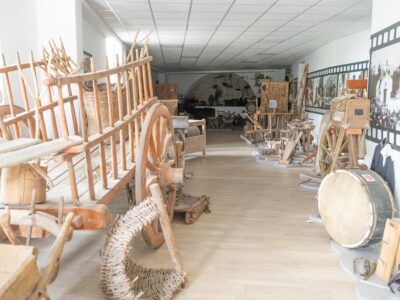
“Vincenzo Rubino” Museum of Franco-Provençal Rural Life
“Vincenzo Rubino” Museum of Franco-Provençal Rural Life …
Keep exploring

Mother Church of the Santissimo Salvatore
Mother Church of the Santissimo Salvatore in Faeto: history, art …
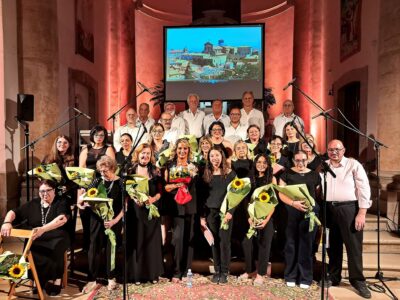
The Faeto Choir
Nuova Provenza Choir, Faeto: the voices that keep a language …
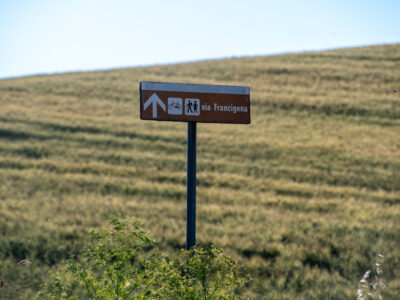
Via Francigena (Faeto)
The Via Francigena del Sud crosses the territory of Faeto at one …