
Cipollata
Reading time:
In the heart of the Alta Valle del Celone, where the Monti Dauni mark the border between Puglia and Campania, upland cooking preserves an extraordinary historical and anthropological memory. Traditional…
Cipollata of Faeto and Celle di San Vito: simplicity that becomes identity
In the heart of the Alta Valle del Celone, where the Monti Dauni mark the border between Puglia and Campania, upland cooking preserves an extraordinary historical and anthropological memory.
Traditional peasant cipollata (an onion and egg dish), known in Franco-Provençal as Cepullàte, is one of those humble dishes that convey the very essence of the inland areas of Capitanata. Although historically linked to Faeto, it is fully part of the intangible cultural heritage of Celle di San Vito too. Thanks to centuries of cultural exchange between neighbours, born of their shared Franco-Provençal roots, the gestures of this recipe have crossed municipal boundaries, turning the dish into a symbol of identity shared by the two twin communities of the valley.
Two sister villages, an unconventional cuisine
The Alta Valle del Celone is home to a historical anomaly of European significance: Faeto and Celle di San Vito form the only true Franco-Provençal linguistic and cultural island in southern Italy. Perched among beech woods and open views, these two medieval villages offer slow travellers an authentic experience that is reflected directly at the table.
The food of the Monti Dauni follows a logic of radical peasant simplicity: nothing superfluous, everything necessary. Seasonal ingredients, techniques handed down by word of mouth from generation to generation and straightforward flavours not found on city menus. Cepullàte belongs to this heritage of home cooking, in which everyday ingredients and family recipes tell of the relationship between food and farming life. The closeness of Faeto and Celle di San Vito also reveals many culinary affinities between the two communities, without erasing the specific features of their respective traditions.
The origins of Cepullàte: the wisdom of the rural economy
Peasant origins in the hinterland of northern Puglia
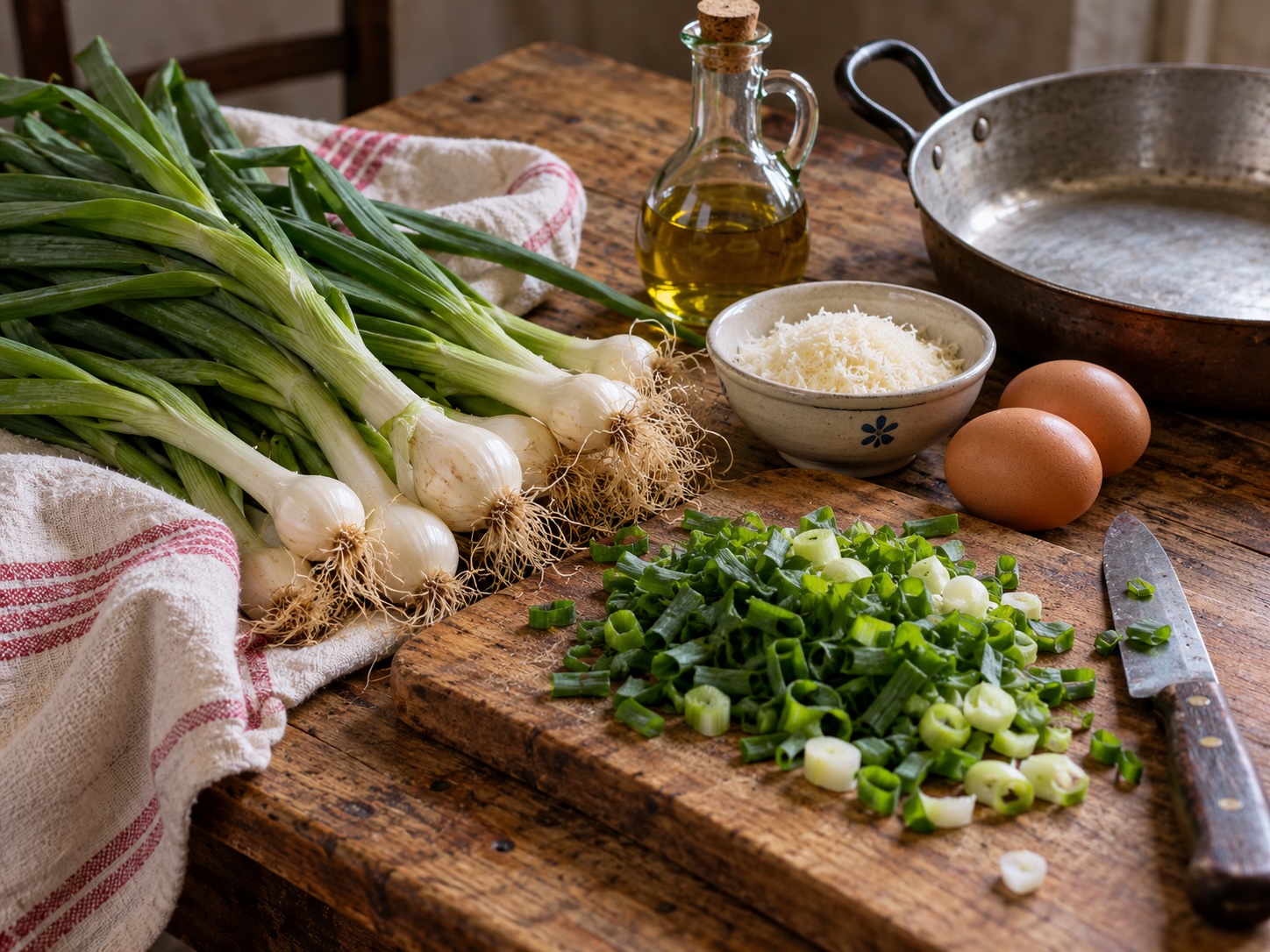
Like most typical recipes of the Foggia Apennines, cipollata was born of the need to waste nothing. In the kitchens of the past, onions were an abundant, cheap and versatile resource. The traditional recipe uses the green, tender parts of fresh onions, usually less valued than the bulb. Using them shows peasant cooking’s attention to making the most of the ingredients available and avoiding waste.
The preparation is disarmingly simple: the soft green part of the onions is chopped and cooked slowly in a pan with water and a drizzle of local extra virgin olive oil until the flavour is concentrated. When it is almost done, beaten egg enriched with grated aged pecorino is added, binding the mixture and giving it substance. The result is a dish humble in form but precise in taste: slightly sweet from the onion, rounded by the egg, with the savoury note of the cheese closing every mouthful.
A dish in the memory of local traditions
Cepullàte belongs to the repertoire of home cooking that accompanied the life of families in the Alta Valle del Celone. Unlike the specialities linked to great food festivals, it tells above all of everyday cooking: that of vegetable gardens, of the seasons and of the need to make substantial meals with few ingredients.
Its place in the culinary memory of Celle di San Vito is an important testimony to this heritage. Alongside dishes based on pulses, vegetables, bread and livestock products, cipollata helps reconstruct the eating habits of the Franco-Provençal communities of the Monti Dauni.
Talking about the peasant cooking of northern Puglia means recognising a real form of cultural resistance. At a time when small inland villages are fighting depopulation, preserving recipes like cipollata lets us know eating habits that accompanied generations of families and deserve to be documented and passed on.
Discover the flavours and itineraries of the Alta Valle del Celone
Cipollata is only the starting point for a deeper culinary journey. The valley offers a connected heritage worth discovering slowly, combining curiosity about rural and medieval history with the pleasure of good food.
Discover more places in the Alta Valle del Celone: keep browsing the tourism website to explore the monuments, the nature trails in the Apennines and the guides to cultural events and typical products that unite the communities of Faeto and Celle di San Vito in one great story of the territory.
AT A GLANCE
Where
Faeto – Celle di San Vito
Type
Suitable for
Everyone
Interests
SHARE


PODCAST
L’Alta Valle del Celone
Ten episodes exploring Celle di San Vito, Faeto and Castelluccio Valmaggiore through the voices of those who live in these places every day.
An audio journey through stories, memories, traditions, landscapes and flavours, told by the people of the three towns. The podcast guides visitors in discovering the authentic soul of the Alta Valle del Celone: a land of forests, villages and vibrant communities, where every voice preserves a piece of its identity.
Recommended experiences
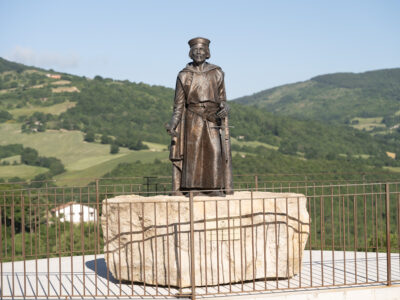
The statue of Charles I of Anjou in Celle di San Vito
The statue of Charles I of Anjou in Celle di San Vito. On the …
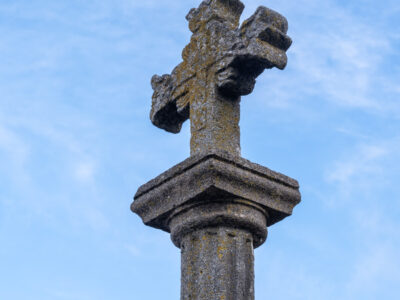
The Cross of the Provençals in Celle di San Vito
The Cross of the Provençals in Celle di San Vito Among the …
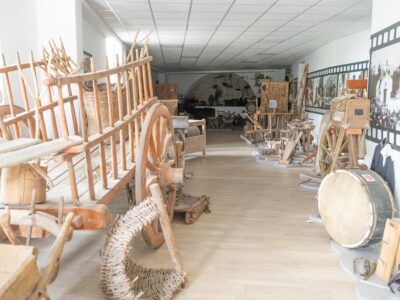
“Vincenzo Rubino” Museum of Franco-Provençal Rural Life
“Vincenzo Rubino” Museum of Franco-Provençal Rural Life …
Keep exploring
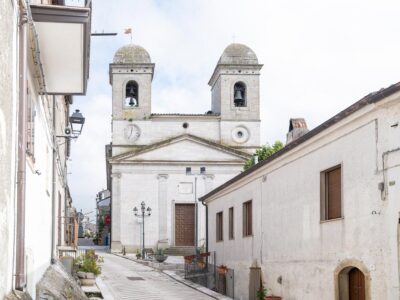
Church of Santa Caterina
Church of Santa Caterina in Celle di San Vito The heart of small …
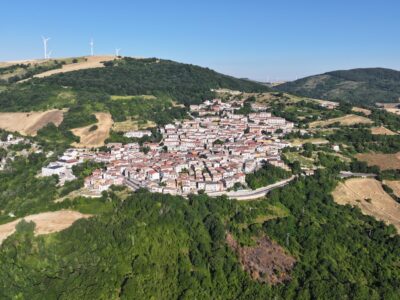
Santo Legno (the Holy Wood)
On Ascension Day, Faeto sets off on foot. Every year, along Via …
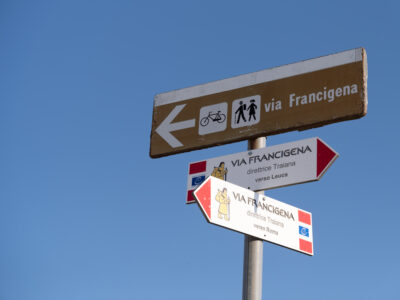
Via Traiana (Celle di San Vito)
The Via Traiana at Celle di San Vito Walking along the routes of …
Peccelatiélle of Faeto
In Faeto, once upon a time, even a tarallo could tell of a …