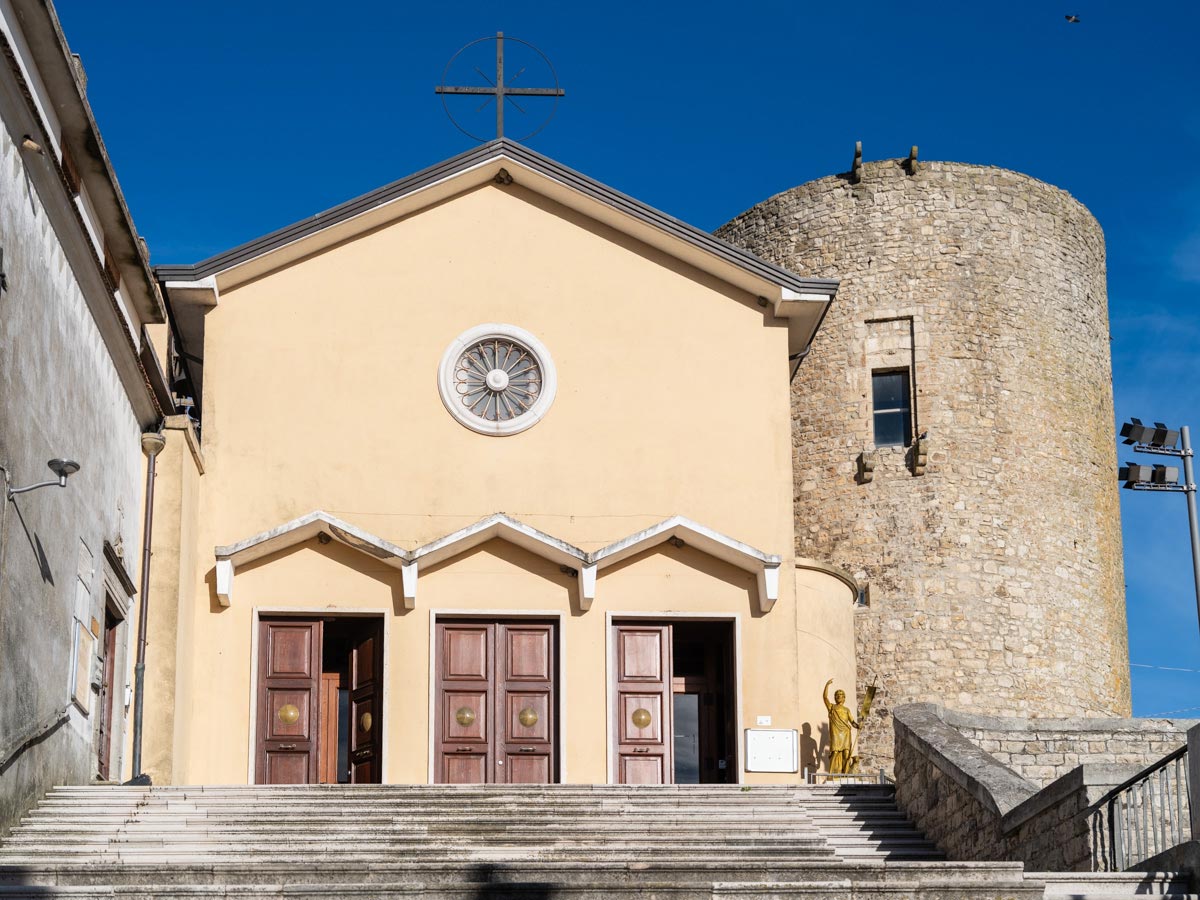
Via Traiana in Celle di San Vito
Tempo di lettura:
Walking along the routes of Roman history means understanding how the great infrastructures of antiquity shaped the deep geography of the Italian peninsula. In the Daunian Sub-Apennines, the passage of…
Walking along the routes of Roman history means understanding how the great infrastructures of antiquity shaped the deep geography of the Italian peninsula. In the Daunian Sub-Apennines, the passage of the Via Traiana through Celle di San Vito is one of the clearest examples of the overlap between classical engineering and the mountain environment. Built between AD 109 and 114 by order of Emperor Trajan as an alternative to the Via Appia, this historic road shortened the journey between Benevento and Brindisi. Today, its surviving sections offer the opportunity to experience archaeological trekking in the Monti Dauni (Dauni Mountains), combining a passion for nature hiking with the rediscovery of the great transportation routes of the Roman Empire.
The presence of this ancient road within the municipal territory transforms the landscape into an open-air museum. Modern-day walkers tread the same ground that for centuries carried Roman legions, merchants, and pilgrims, moving through a historic corridor protected by the peaks of Daunia.
The charm of the village that preserves Rome’s memory
The village of Celle di San Vito welcomes those arriving from the mountain trails with a compact urban layout characterized by stone façades and herringbone-pattern alleys running along the ridgeline. The community, renowned for preserving its Franco-Provençal minority language, has maintained a deep connection with the traces of its past.
For those planning a stay and wondering what to see in Celle di San Vito and the neighboring villages, the ancient Roman route provides the perfect starting point. The exploration combines the monumentality of the historic center with the untamed beauty of the mountain slopes, offering a comprehensive picture of the settlement dynamics that have shaped the valley since Roman and medieval times.
Landscape archaeology and nature trails
The route unfolds through a geographical setting of outstanding biological and geological value. To undertake the hike safely, walkers can refer to the historical map of the Via Traiana in Foggia, a useful resource for identifying the progression of ancient milestones, the original stopping points, and the sections where the ancient paving still emerges through the vegetation. The itinerary crosses an unspoiled mountain district, showcasing the natural resources of Celle di San Vito through its trails and landscapes.
The walk offers full immersion in the botanical diversity of the Apennine landscapes and the valleys of the Alta Valle del Celone. The route crosses wooded slopes dominated by oaks and ash trees, passes high-altitude springs, and opens onto sweeping viewpoints overlooking the Tavoliere plain. This area forms part of the broader landscape of Roman roads and landscape archaeology in Puglia (Apulia), where field research documents the continued use of Roman roads as tratturi during the centuries of transhumance.
Slow tourism and mountain rural hospitality
Exploring this archaeological corridor responds to the growing demand for sustainable tourism experiences that respect local identities. The restoration of the Roman road supports the development of slow tourism and historic walking routes in inland Puglia, attracting travelers seeking silence, distance from mass tourism, and direct contact with rural culture.
The Via Traiana route can be incorporated into a broader network of historical walking itineraries in the Alta Valle del Celone, creating an ideal connection between Celle di San Vito, the forest of Faeto, and the fortified sites of Castelluccio Valmaggiore. The walking experience naturally concludes with the discovery of the area’s food traditions. The stopping points and small villages of the valley offer excellent local specialties from the Monti Dauni and welcoming refreshment stops for walkers: from mountain-aged pecorino cheeses to traditional cured meats, every taste tells the story of a mountain economy that has preserved its culinary traditions along the very roads that once connected Rome to the East.
Explore the Alta Valle del Celone
The passage of the Via Traiana is the perfect invitation to rediscover the historical and geographical value of the inland areas of the Apennines of Puglia.
Discover the other places of Castelluccio Valmaggiore and the Alta Valle del Celone: continue exploring the tourism portal to consult maps of the forest trails, details about medieval monuments, and dedicated pages featuring the valley’s restaurants and artisan workshops.
AT GLANCE
Where
Celle San Vito – Castelluccio Valmaggiore
Type
Suitable for
All
Interests
SHARE


PODCAST
L’Alta Valle del Celone
Ten episodes exploring Celle di San Vito, Faeto and Castelluccio Valmaggiore through the voices of those who live in these places every day.
An audio journey through stories, memories, traditions, landscapes and flavours, told by the people of the three towns. The podcast guides visitors in discovering the authentic soul of the Alta Valle del Celone: a land of forests, villages and vibrant communities, where every voice preserves a piece of its identity.
Recommended experiences

The Highest Municipality in Puglia
The geography of the inland Foggia area holds remarkable …

Fresh Pasta Festival in Castelluccio Valmaggiore
Summer in the small villages of the Puglian (Apulian) Apennines …
Fresh Pasta in Celle di San Vito
There is an inseparable bond between the table of a small …
Keep exploring
The Highest Municipality in Puglia
The geography of the inland Foggia area holds remarkable …
Fresh Pasta Festival in Castelluccio Valmaggiore
Summer in the small villages of the Puglian (Apulian) Apennines …
Fresh Pasta in Celle di San Vito
There is an inseparable bond between the table of a small …

Ppìzze do le ccìcule: The Ciccioli Pizza of the Franco-Provençal Communities
There is a dough that carries the flavor of January. Of …