
Casale San Vito
Reading time:
Casale San Vito at Celle di San Vito Exploring the Apulian Apennines often reveals traces of ancient routes where pilgrims crossed paths with transhumant flocks. At the heart of this…
Casale San Vito at Celle di San Vito
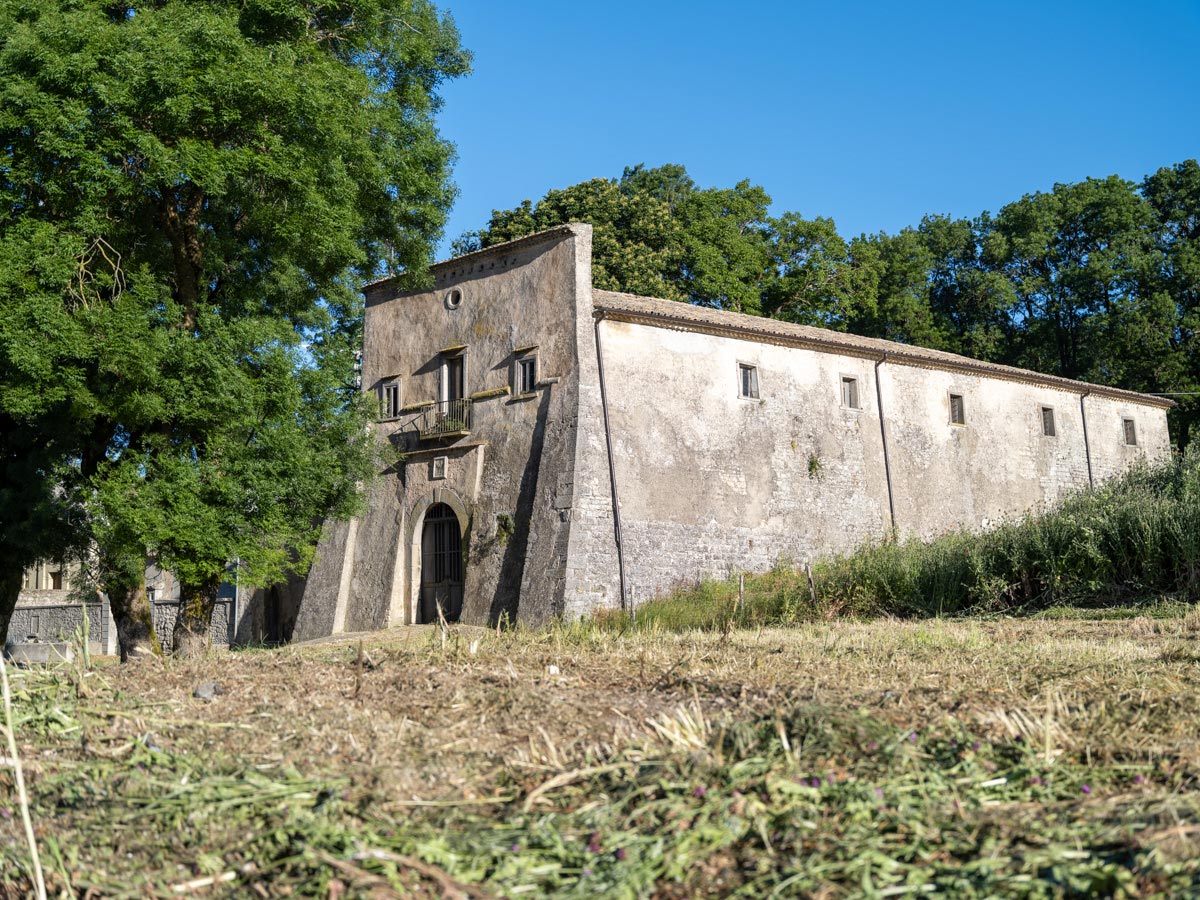
Exploring the Apulian Apennines often reveals traces of ancient routes where pilgrims crossed paths with transhumant flocks. At the heart of this area lie the remains of the Casale San Vito, with its little church, at Celle di San Vito, an original settlement that tells the historical and geographical evolution of this part of the Capitanata. The site occupies a key position on the road network, lying along the route of the Camporeale-Foggia tratturello, a grassy drove road that faithfully follows the course of the Roman Via Traiana and of the later medieval Via Francigena, today the Via Francigena del Sud (www.viefrancigene.org).
The rediscovery of this ancient settlement helps us understand how the inland areas of the province of Foggia were populated. For travellers interested in the origins of the territory, the casale is the key to tracing the first monastic and rural settlements that gave rise to the present village, and it fits perfectly into the routes devoted to walking tourism in the Daunian Subapennines.
The charm of the least populated village in the region
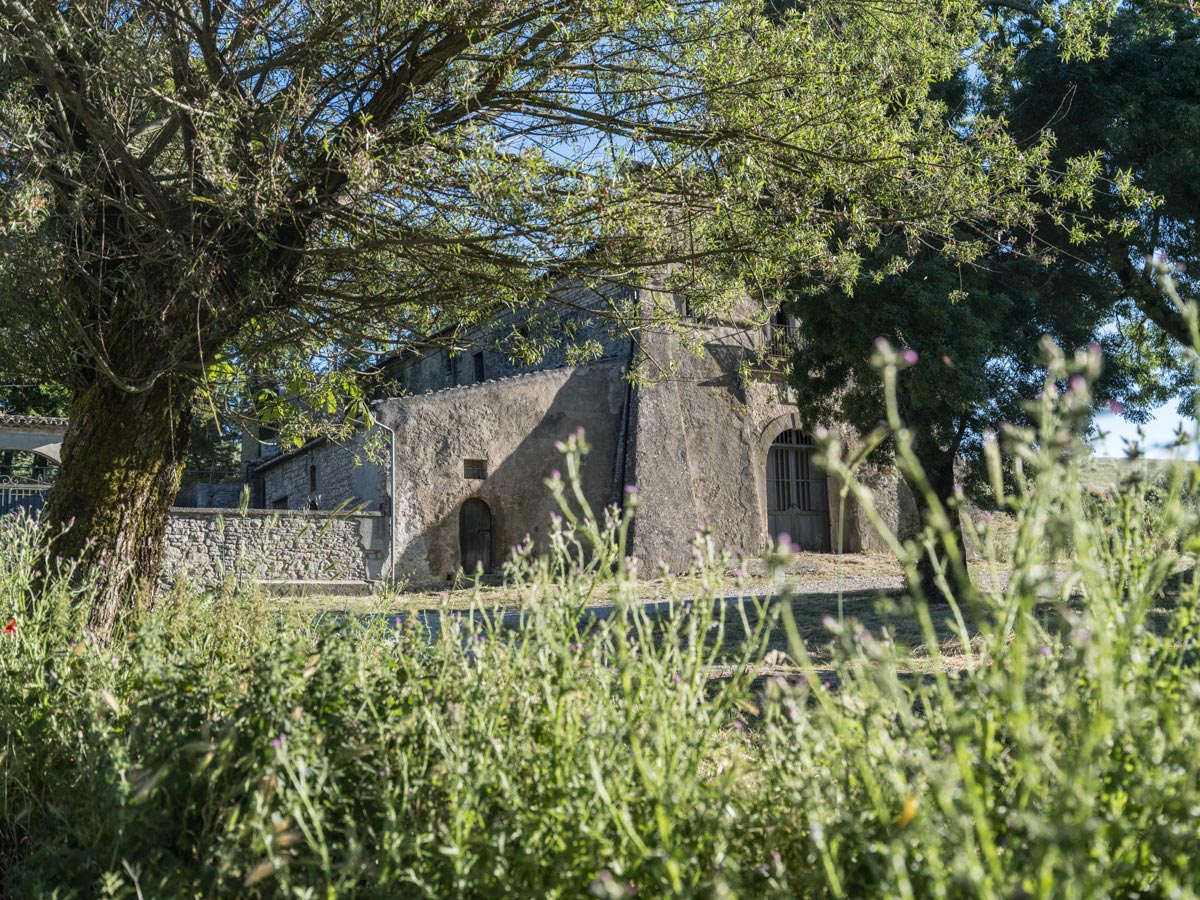
The present-day village welcomes visitors with a suspended atmosphere, shaped by the silence of the heights and the relaxed pace of everyday life. If you are wondering what to see in Celle di San Vito, attention inevitably turns to its demographic and social uniqueness. The village is known as the least populated municipality in Puglia, which makes it a favourite with travellers interested in discovering Italy’s small villages through slow travel.
Clean little streets, stone houses and small panoramic glimpses over the valley offer a travel experience at walking pace. A visit to the village is ideally completed by exploring the surroundings, where unspoilt nature blends with the stone remains scattered across the mountain landscape.
Celle di San Vito and its medieval history along the great routes
To fully understand Celle di San Vito and its medieval history, you need to look at the shape of the surrounding landscape. Near the old casale you can see the Castiglione, a steep height that visually dominates the valley. On this rocky height stood, in the Middle Ages, a large military fortress known as the castle of Crepacore, a strategic outpost for controlling traffic along the Via Traiana.
The presence of the fortress and the casale is directly linked to the origins of the Franco-Provençal enclave of Daunia. The settlement, according to tradition, of Franco-Provençal soldiers in the service of Charles I of Anjou in the 13th century, and in particular after the surrender of Lucera in 1269, left an indelible mark on local identity. The isolation of these mountain villages allowed the nearby community of Faeto and that of Celle to keep their minority language intact to the present day.
Planning your visit: architecture and walking routes
The historic casale and the places where the fortress of Crepacore once stood enrich the cultural offer of the area. By including these stops among the destinations of the Alta Valle del Celone, visitors can build complete themed routes linking the civil, religious and military architecture of the area.
Visiting these places fits perfectly with the historic itineraries of the Alta Valle del Celone, which let you walk the paths of transhumance and pilgrimage, combining an interest in medieval archaeology with the beauty of the unspoilt natural landscapes of the Monti Dauni. The journey thus becomes a complete experience in which knowledge of the material heritage goes hand in hand with discovering the local traditions of upland Puglia.
Discover the Alta Valle del Celone
The ancient stones of the Casale San Vito are only one part of the dense historical mosaic of this mountain area.
Discover more places in Celle di San Vito and the Alta Valle del Celone: keep exploring the website to get to know these wonderful historic villages of the province of Foggia, the hiking trails and the food traditions of the Apulian Apennines.

PODCAST
Voices of the Valley
Stories, people and places of the Alta Valle del Celone. An audio journey through authentic villages, traditions and nature, told by those who live there every day.
AT A GLANCE
Where
Celle di San Vito – Faeto
Suitable for
Everyone
SHARE
SHARE


PODCAST
L’Alta Valle del Celone
Ten episodes exploring Celle di San Vito, Faeto and Castelluccio Valmaggiore through the voices of those who live in these places every day.
An audio journey through stories, memories, traditions, landscapes and flavours, told by the people of the three towns. The podcast guides visitors in discovering the authentic soul of the Alta Valle del Celone: a land of forests, villages and vibrant communities, where every voice preserves a piece of its identity.
Recommended experiences
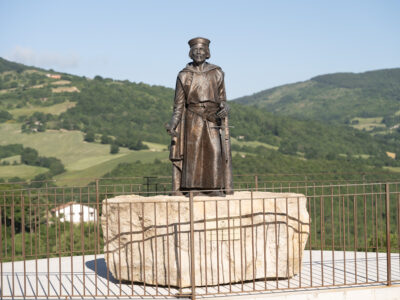
The statue of Charles I of Anjou in Celle di San Vito
The statue of Charles I of Anjou in Celle di San Vito. On the …
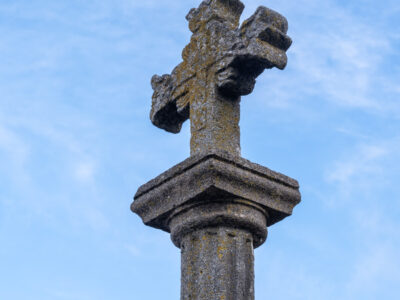
The Cross of the Provençals in Celle di San Vito
The Cross of the Provençals in Celle di San Vito Among the …
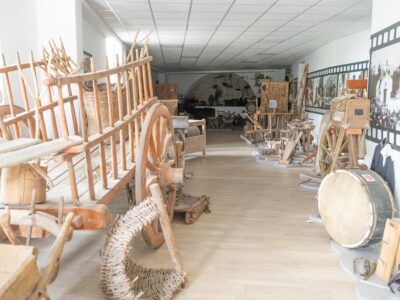
“Vincenzo Rubino” Museum of Franco-Provençal Rural Life
“Vincenzo Rubino” Museum of Franco-Provençal Rural Life …
Keep exploring

Church of San Vito, Celle di San Vito
The mountain landscape of the Daunian Apennines is dotted with …
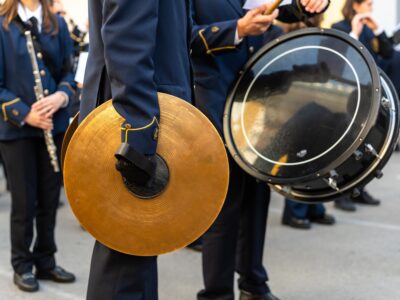
Feast of San Vito, San Modesto and Santa Crescenza
In Celle di San Vito, the intangible heritage of Apennine …
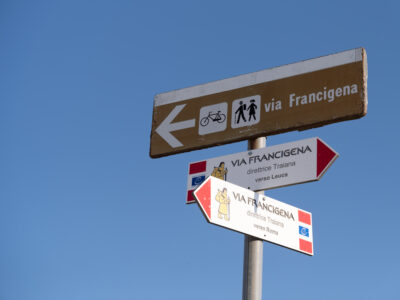
Via Traiana (Celle di San Vito)
The Via Traiana at Celle di San Vito Walking along the routes of …
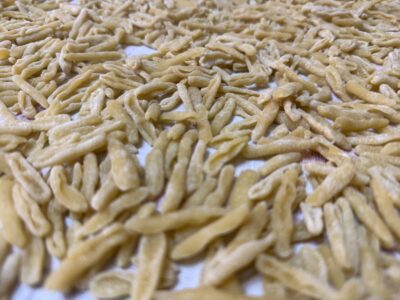
Fresh Pasta in Celle di San Vito
There is an unbreakable bond between the table of a small …