Saint Vitus Festival in Celle di San Vito
Tempo di lettura:
The intangible heritage of the Apennine communities finds its fullest expression in the devotional rites that mark the changing seasons. In the heart of the Daunian Sub-Apennines, the Feast of…
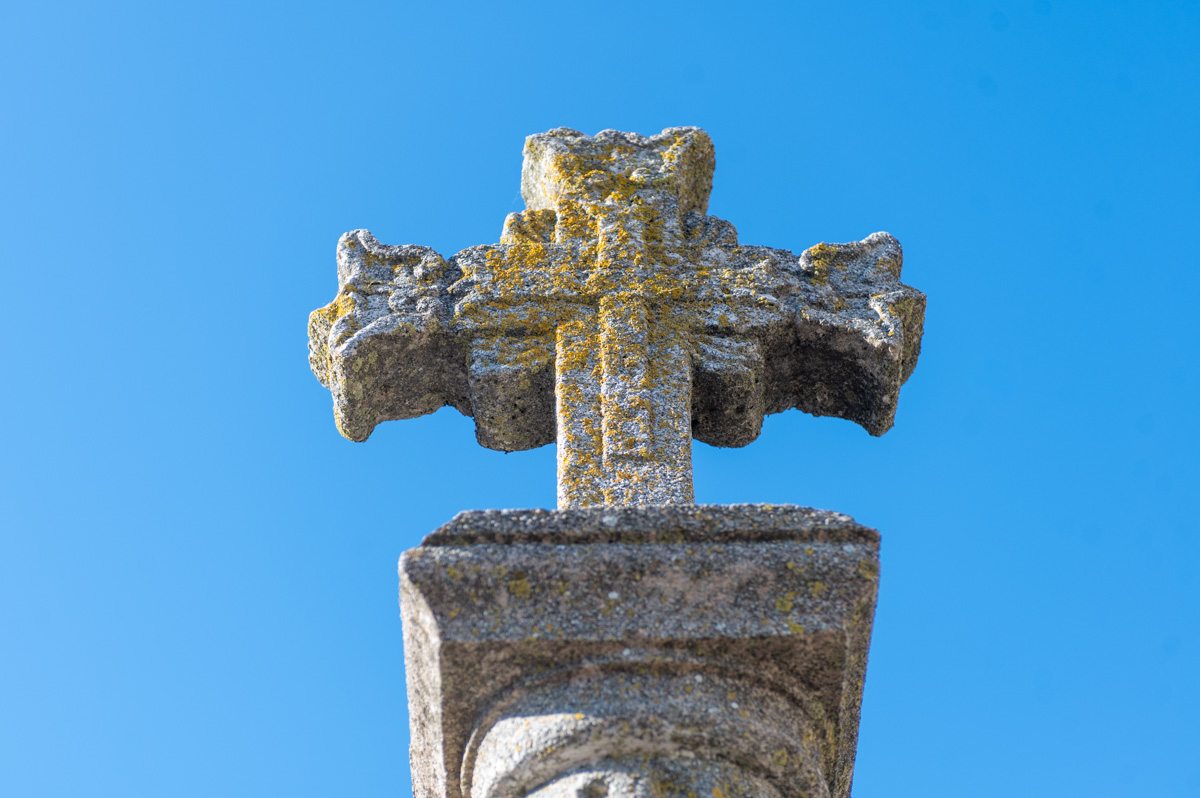
The intangible heritage of the Apennine communities finds its fullest expression in the devotional rites that mark the changing seasons. In the heart of the Daunian Sub-Apennines, the Feast of Saint Vitus in Celle di San Vito (celebrated together with Saints Modestus and Crescentia) is the village’s most important annual event. This celebration takes place on two distinct occasions, June 15 and August 8, linking the solemnity of the spring liturgical commemoration with the civic and community celebrations of the summer season.
For travelers and devotees looking for information about the processions and event schedules, these two celebrations are an essential point of reference. The festival is not merely an expression of faith, but the occasion when the entire village gathers around its historical roots, revealing to visitors the authentic soul of mountainous Capitanata.
The Charm of the Medieval Village During the Celebrations
The village of Celle di San Vito reveals itself to visitors as a compact settlement of stone buildings and quiet alleys, ready to come alive with the sound of marching bands and the voices of the faithful. Choosing what to visit in Celle di San Vito during the patronal feast allows visitors to discover the village’s sacred architecture and urban layout at their most splendid, when balconies are adorned with ceremonial drapes.
Local hospitality is expressed through shared meals and moments of togetherness, giving visitors the opportunity to plan their stay around the map of Celle di San Vito and its summer events, a season when the cool mountain climate attracts hikers and enthusiasts of local culture from across the region.
History of the Devotion and the Rituals of June and August
The origins of this deep devotion date back to the very foundation of the village, historically connected to an ancient Benedictine monastic settlement. The cult of Saint Vitus and the pilgrimage routes of Daunia demonstrate how devotion to the martyr saint shaped not only local religious life but also the village’s place name and urban development. This enduring tradition forms part of the broader religious heritage of the Alta Valle del Celone, where the cults of patron saints united border communities that guarded the mountain passes.
The rituals differ significantly between the two celebration dates:
- June 15: On the occasion of the liturgical feast, a solemn procession takes place in the late morning. The statues of the Saints are carried through the streets of the historic center, accompanied by the traditional repertoire of the marching band and a procession of local residents.
- August 8: The summer celebration takes on an itinerant form of great emotional significance. The statues of the Saints are placed on ceremonial carts carefully decorated with drapes and fresh flowers. The faithful accompany the carts on foot, departing from the historic Church of Saint Catherine and making their way to the site of the old Sanctuary of Saint Vitus.
At the end of the outward journey, the community gathers for an open-air lunch in the area in front of the sanctuary, where everyone shares the festive meal. In the afternoon, the procession reforms to accompany the statues of the Saints back into the village.
The Festival’s Anthropological Value and Tourist Appeal
This two-part celebration is an outstanding example of the folklore of patronal festivals in Italy’s inland areas, attracting the interest of sociologists, historians, and rural cultural tourism enthusiasts.
The event also appeals to travelers following the walking routes and variants of the Via Francigena del Sud, as the procession retraces ancient paths once traveled by pilgrims from across Europe. Visiting Celle di San Vito during the festival also offers the chance to experience local hospitality through traditional products and the food and wine of patronal celebrations: traditional rural desserts and the village’s signature dishes enrich the communal outdoor tables, transforming the celebration into an unforgettable sensory experience for anyone seeking the authentic spirit of the patronal festivals of the Monti Dauni (Dauni Mountains) in August.
Discover the Alta Valle del Celone
The processions and devotional rites in honor of Saint Vitus open the door to a deeper understanding of the culture and social cohesion of the Puglian Apennines.
Discover the other places in Celle di San Vito and the Alta Valle del Celone. Continue exploring to discover the valley’s nature trails, historical information about the medieval tower, and the calendars of the district’s upcoming food and wine festivals.
AT GLANCE
Where
Celle di San Vito
Type
Suitable for
All
Interests
SHARE


PODCAST
L’Alta Valle del Celone
Ten episodes exploring Celle di San Vito, Faeto and Castelluccio Valmaggiore through the voices of those who live in these places every day.
An audio journey through stories, memories, traditions, landscapes and flavours, told by the people of the three towns. The podcast guides visitors in discovering the authentic soul of the Alta Valle del Celone: a land of forests, villages and vibrant communities, where every voice preserves a piece of its identity.
Recommended experiences
The Highest Municipality in Puglia
The geography of the inland Foggia area holds remarkable …

Fresh Pasta Festival in Castelluccio Valmaggiore
Summer in the small villages of the Puglian (Apulian) Apennines …
Fresh Pasta in Celle di San Vito
There is an inseparable bond between the table of a small …
Keep exploring
The Highest Municipality in Puglia
The geography of the inland Foggia area holds remarkable …
Fresh Pasta Festival in Castelluccio Valmaggiore
Summer in the small villages of the Puglian (Apulian) Apennines …
Fresh Pasta in Celle di San Vito
There is an inseparable bond between the table of a small …

Ppìzze do le ccìcule: The Ciccioli Pizza of the Franco-Provençal Communities
There is a dough that carries the flavor of January. Of …