
Troccoli of Faeto
Reading time:
Troccoli from Faeto are a dish that satisfies the soul as well as the palate. Handmade fresh pasta, the typical pasta of Faeto for generations, able to distil into a…
Troccoli of Faeto: the pasta that tells the story of Faeto
Troccoli from Faeto are a dish that satisfies the soul as well as the palate. Handmade fresh pasta, the typical pasta of Faeto for generations, able to distil into a few ingredients the whole identity of a village that has withstood time by staying true to itself.
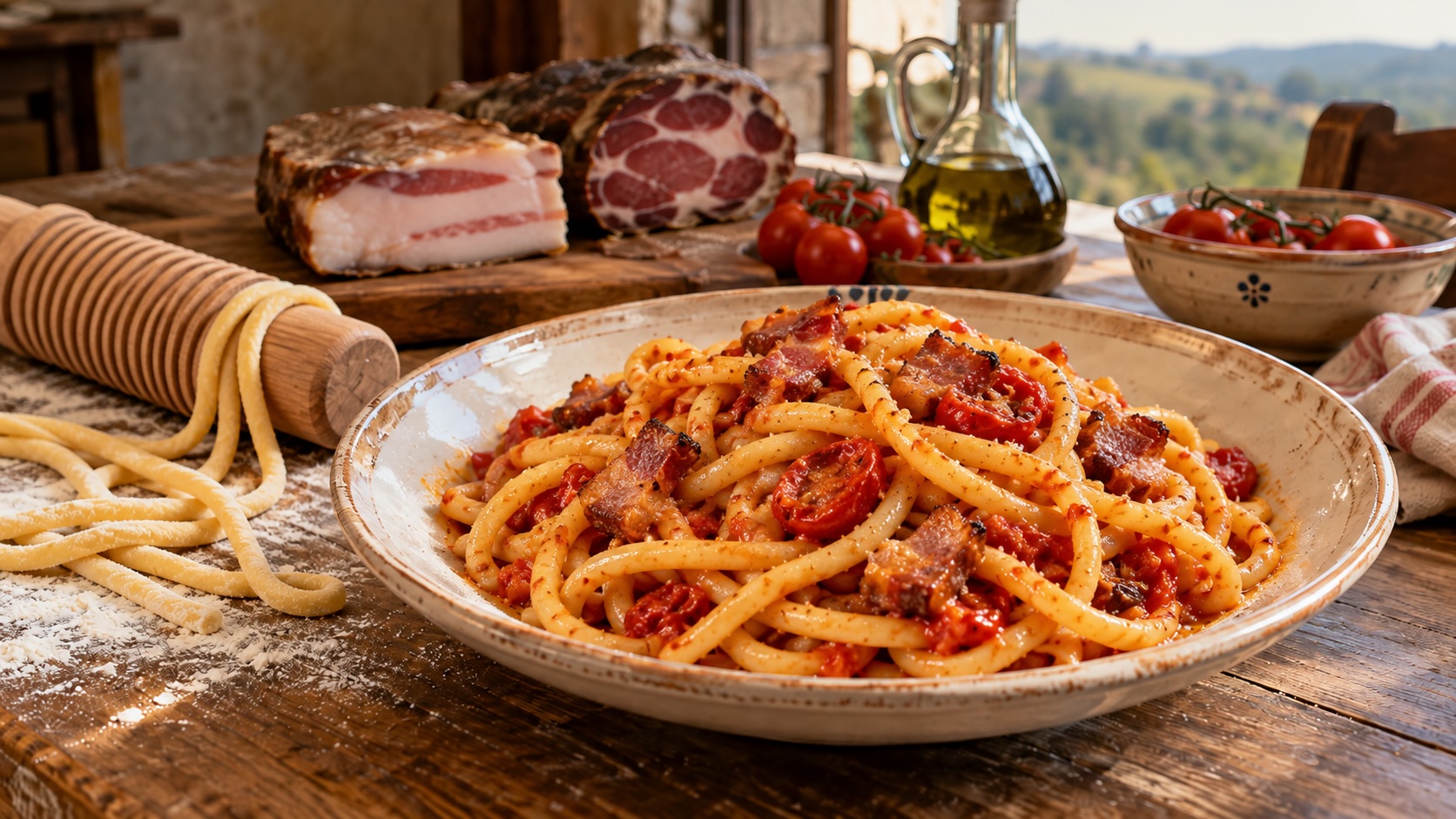
Anyone arriving in search of what to eat in Faeto will find a precise, deep-rooted, uncompromising answer: troccoli, thin strips of semolina pasta with a square cross-section, just rough enough to embrace bold sauces such as the one made with guanciale and coppa from black pigs.
A village on the edge of the world, at the centre of everything
Faeto lies in the Alta Valle del Celone, at over 800 metres above sea level in the Monti Dauni, in the province of Foggia. It is one of the few places in Italy where a variety of Franco-Provençal still survives, a language brought here in the Middle Ages by settlers from the Franco-Alpine area. This linguistic uniqueness has also shaped the material culture of the village: customs, rituals, recipes. A layering that makes Faeto a singular destination for the gastronomy of Puglia.
Here the landscape is made of woods, silent valleys and open ridges. The air tastes different from the rest of Puglia. And so does the cooking.
The troccolaturo: the tool that gives shape to tradition
The fresh pasta of the Daunian Subapennines
Troccoli from Faeto are a local variant of Apulian troccoli, a pasta shape found throughout the region but which in Faeto takes on its own character, linked to the ingredients and the way it is made. The dough is simple (durum wheat semolina, water, sometimes eggs), but it requires a skilled hand and respect for timing.
The tool that defines them is the troccolaturo (also called truccaturo): a grooved wooden rolling pin which, run over the rolled-out sheet of dough, cuts it into regular strips with a square or slightly rounded cross-section.
Making troccoli the Faeto way involves no complex techniques, but it does require attention: the dough must be kneaded at length, the sheet rolled out patiently, the troccolaturo moved with steady pressure. It is a slow, meditative gesture. What today we would call slow food has always simply been the way things are done here.
The sauce: guanciale, coppa and cherry tomatoes
Troccoli with guanciale and black pork from the Monti Dauni
The sauce that goes with troccoli in Faeto, whether in a traditional restaurant or a home kitchen, is no accident. Guanciale, coppa from the black pigs of the Monti Dauni and cherry tomatoes form a coherent culinary system, born of the same land.
Raising black pigs is a long-standing practice in the Monti Dauni. The animals roamed freely in the oak and beech woods, feeding on acorns and roots, and their meat, more flavourful and more marbled, has remained the heart of the cuisine of the Daunian Subapennines. Guanciale and coppa are the cuts through which this tradition expresses itself most directly.
The resulting sauce is intense, rich in just the right measure, balanced by the acidity of the cherry tomatoes. On troccoli, rough and firm enough to hold it without giving way, it becomes something complete. A dish that needs nothing more.
Where to eat them: inns and living memory
The tradition of troccoli from Faeto has survived in the village’s inns and in private kitchens. It is a dish that has not been reinvented much. That is why it remains so authentic: it is still prepared as it always has been, with local ingredients and no concessions to standardised tastes.
For anyone planning an itinerary devoted to food, wine and the villages of Italy’s inland areas, Faeto is a rare stop: a place where the traditional fresh pasta of the Daunian Subapennines is still lived as part of the community’s identity, not as a museum attraction.
Faeto, walking routes and the flavours of inland Puglia
The food experience in Faeto cannot be separated from the land around it. The walking routes and flavours of inland Puglia meet naturally here: the trails towards Monte Cornacchia, the highest peak in Puglia, run through woods and pastures that are also the larder of this cuisine.
Whoever comes to Faeto to walk, to seek silence, to taste the typical pasta of the Monti Dauni or to discover the extraordinary anomaly of a village that still speaks a Gallo-Romance language brought here from beyond the Alps in the Middle Ages, will find all of this organically connected. These are not separate experiences: they are aspects of the same story.
Keep exploring the Alta Valle del Celone
Discover more places, traditions, history and intangible heritage of Faeto and the Alta Valle del Celone: from Franco-Provençal origins to local produce, from nature trails to the events that bring the village to life throughout the year.
AT A GLANCE
Where
Faeto
Type
Suitable for
Everyone
Interests
SHARE


PODCAST
L’Alta Valle del Celone
Ten episodes exploring Celle di San Vito, Faeto and Castelluccio Valmaggiore through the voices of those who live in these places every day.
An audio journey through stories, memories, traditions, landscapes and flavours, told by the people of the three towns. The podcast guides visitors in discovering the authentic soul of the Alta Valle del Celone: a land of forests, villages and vibrant communities, where every voice preserves a piece of its identity.
Recommended experiences
Alta Valle del Celone: a training day on communicating the destination
A meeting in Castelluccio Valmaggiore on the future of tourism …
Pizza with pork crackling
La pizze dò le cíccule: the crackling pizza of the …
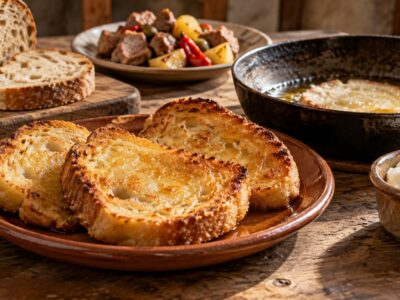
Keep exploring
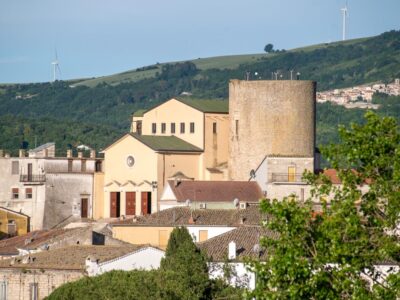
Byzantine Tower of Castelluccio Valmaggiore
Byzantine Tower of Castelluccio Valmaggiore At the top of the …
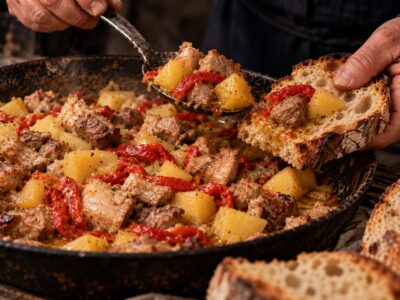
“Féte de lu Cajúnne”, the pork festival
The first Sunday of February in Faeto: when the cold brings a …

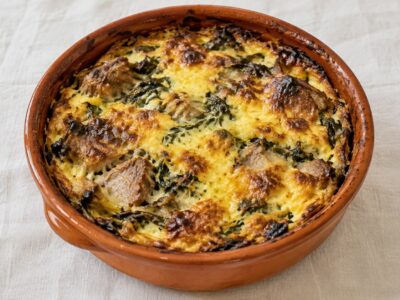
Faeto lamb stew
Lu spezzatiélle: Faeto’s Easter Monday dish. There is one day of …