
Fontana du Paije
Reading time:
Fontana du Paije – Where water tells the life of the village The Fontana du Paije in Faeto is one of the most significant landmarks of the village: a monumental…
Fontana du Paije – Where water tells the life of the village
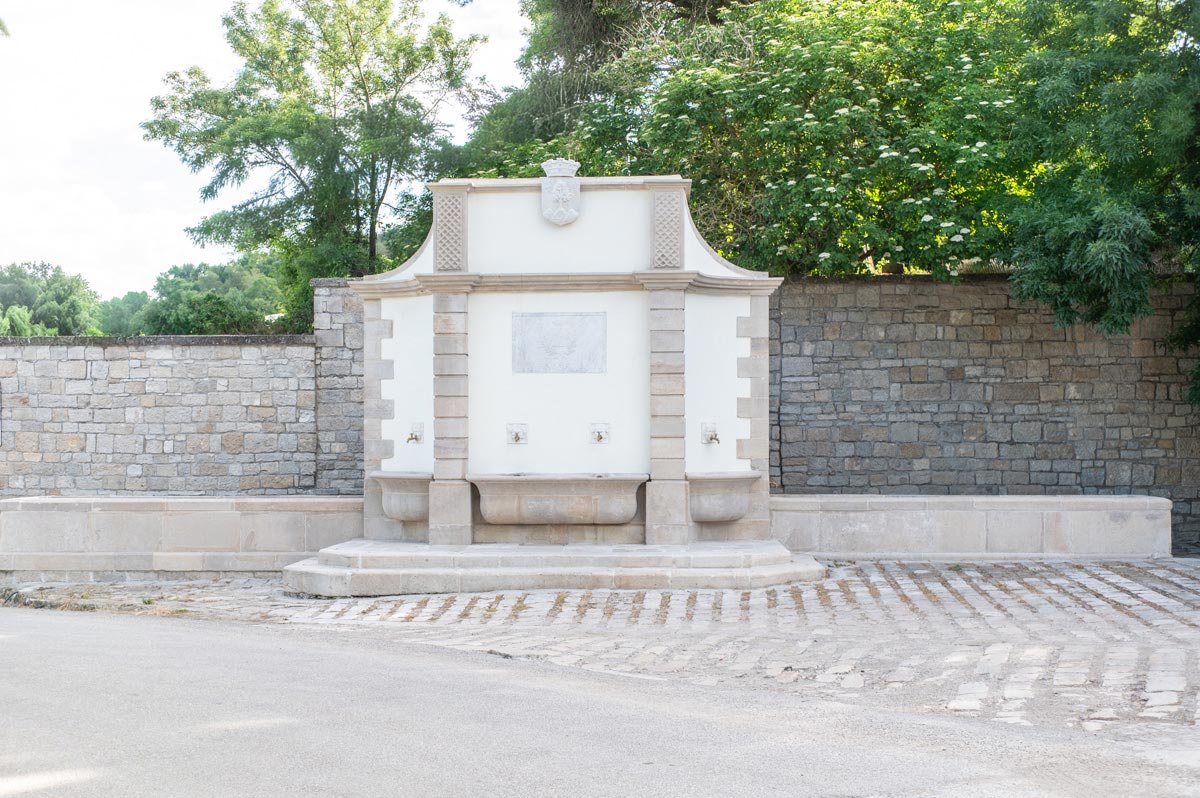
The Fontana du Paije in Faeto is one of the most significant landmarks of the village: a monumental fountain of Baroque design, built in local stone, which takes its name from the natural spring that still feeds it today. It is not just a decorative feature of the landscape. It is a document in stone that tells how people lived, worked and organised themselves in a village of inland Puglia.
Faeto lies in the Alta Valle del Celone, in the heart of the Monti Dauni, at an altitude that offers views over the Daunian Apennines, and has a very distinctive cultural identity. Together with Celle di San Vito, it is one of the only two Franco-Provençal communities in southern Italy. Visiting Faeto means entering one of the most authentic and least visited medieval villages of Puglia, far from mass tourism, immersed in a landscape that changes with the seasons.
A fountain outside the village, at the centre of daily life
The position of the Fontana du Paije is no accident. It stood just outside the village, at a strategic point on the path linking the fields to the village. In the evening, as the farmers returned after a day’s work, they stopped here before going home: they filled barrels and orcioli, the terracotta jugs, and watered their animals in the side troughs built for the purpose.
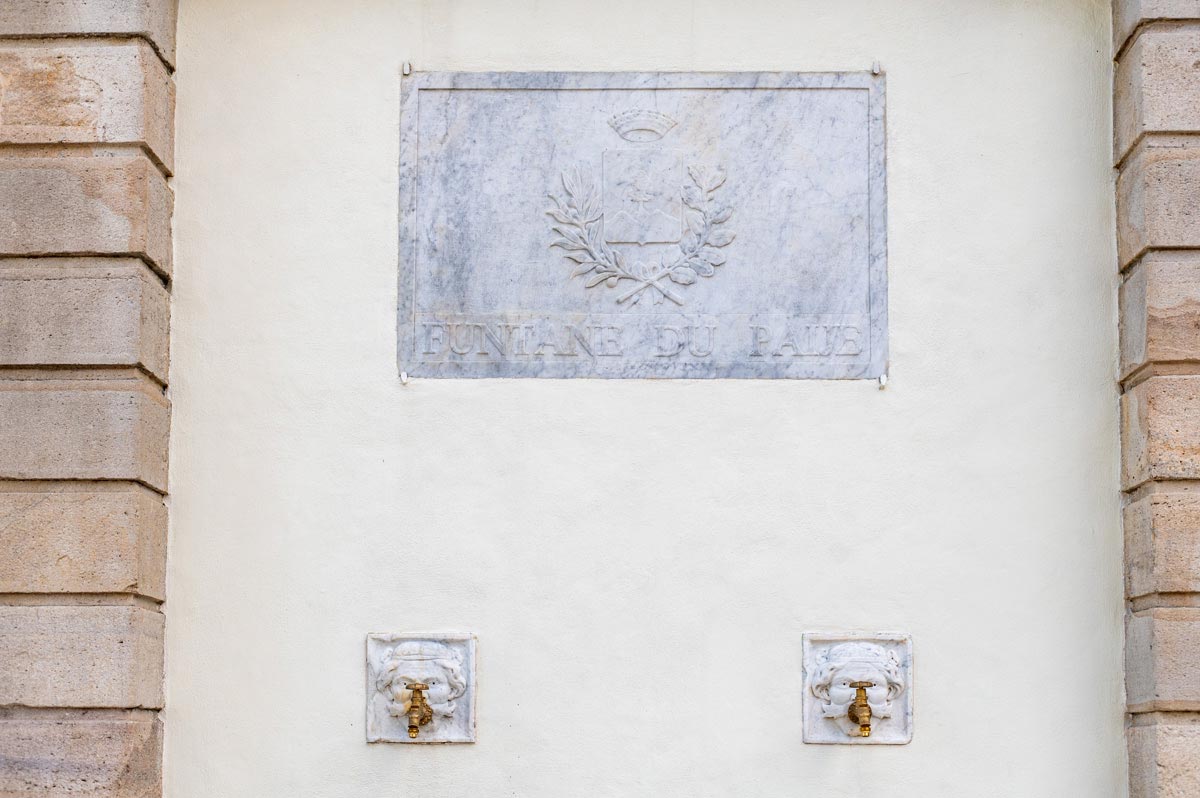
This triple role of fountain, watering trough and wash-house is perfectly reflected in its structure. The front was reserved for filling water containers. The sides were for the animals. The back, larger and more sheltered, was used for washing clothes.
The washing ritual: a precise order, handed down from generation to generation
During the day, the women of Faeto met at the fountain to do the washing. It was not a solitary task: they worked in groups, following a shared and precise order. Those arriving with dirty laundry took their place at the back. Those who had already washed and needed to rinse stood at the front, where the water was cleaner and fresher. When a group finished, the cycle began again: the women moved gradually towards the front of the fountain, and the next group took the free places at the back.
It was a spontaneous, efficient organisation based on mutual respect. A system that needed no written rules because it was handed down through daily practice.
Washing in the dark: candles in the niches of the wall
The Fontana du Paije was also used in the evening, especially by women returning late from the fields. Washing in the dark was possible thanks to an almost invisible architectural detail: small recesses carved into the wall, designed precisely to hold a candle. Each woman brought her own light, placed it in the niche and worked by its dim glow, checking that the clothes were really clean before taking them home.
These marks in the wall, small, functional and almost imperceptible, are perhaps the most eloquent detail of the whole structure. They tell of a time when every element of public space was designed around people’s work and lives.
Water architecture in the Daunian Subapennines
Architecturally, the Fontana du Paije is a well-preserved example of Baroque-style rural architecture of the Daunian Subapennines. The worked stone, the wash basins built into the structure and the formal care of the whole place this fountain in a wider context: that of the historic fountains of the Monti Dauni, water structures that dotted the territory and gave access to water to communities far from the main settlements.
Faeto, like other villages in the area, once had an extensive system of springs: among the best known were the Fonte San Vito and the Piscero, each with its own history and role in the fabric of local life.
Faeto, walking routes and slow travel
The Fontana du Paije lies in a territory crossed by ancient routes that today attract a growing number of walkers. Those who follow the Apulian stages of the Via Francigena or the Sentiero Frassati pass through landscapes like these: villages clinging to the hills, springs hidden in the vegetation, buildings that tell centuries of farming life.
Slow travel in Puglia’s inland areas finds one of its most genuine expressions here. These are not attractions built for visitors but places that were already there, and that visitors are lucky enough to discover.
Discover Faeto and the Alta Valle del Celone
The Fontana du Paije is one of many reasons to stop in Faeto. But it is also a threshold into a village with a layered history, a rare language, a cuisine rooted in the land and a landscape that changes with the seasons.
Explore more places in Faeto and the Alta Valle del Celone: historic sites, Franco-Provençal traditions, nature itineraries, local events and the food and wine that make this land one of the most original destinations in inland Puglia.


PODCAST
L’Alta Valle del Celone
Ten episodes exploring Celle di San Vito, Faeto and Castelluccio Valmaggiore through the voices of those who live in these places every day.
An audio journey through stories, memories, traditions, landscapes and flavours, told by the people of the three towns. The podcast guides visitors in discovering the authentic soul of the Alta Valle del Celone: a land of forests, villages and vibrant communities, where every voice preserves a piece of its identity.
Recommended experiences
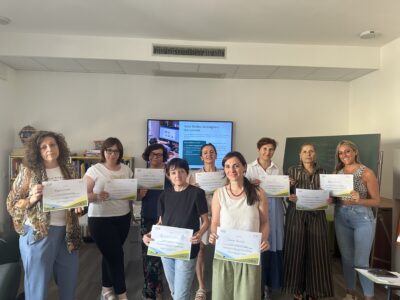
Alta Valle del Celone: a training day on communicating the destination
A meeting in Castelluccio Valmaggiore on the future of tourism …
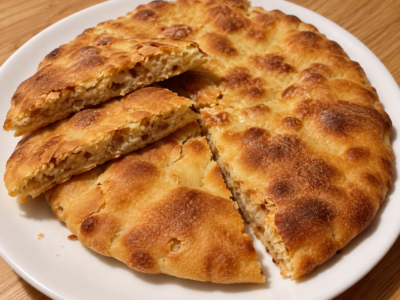
Pizza with pork crackling
La pizze dò le cíccule: the crackling pizza of the …
Keep exploring
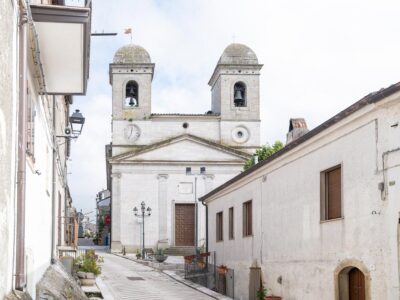
Church of Santa Caterina
Church of Santa Caterina in Celle di San Vito The heart of small …

Procession of the ccòcce de mmòrte
Procession of the ccòcce de mmòrte in Faeto. When lit pumpkins …

Camporeale-Foggia Tratturello (Celle di San Vito)
The Camporeale-Foggia Tratturello at Celle di San Vito The …
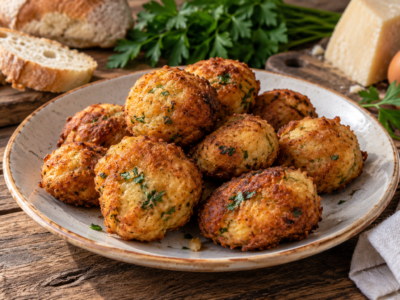
Village-style bread balls
Bread balls in Castelluccio Valmaggiore. The ingenuity of …