
Casa del Capitano
Reading time:
Casa del Capitano in Faeto: the oldest monument in the village On the main square of Faeto, among the narrow lanes of one of the best-preserved medieval villages of the…
Casa del Capitano in Faeto: the oldest monument in the village
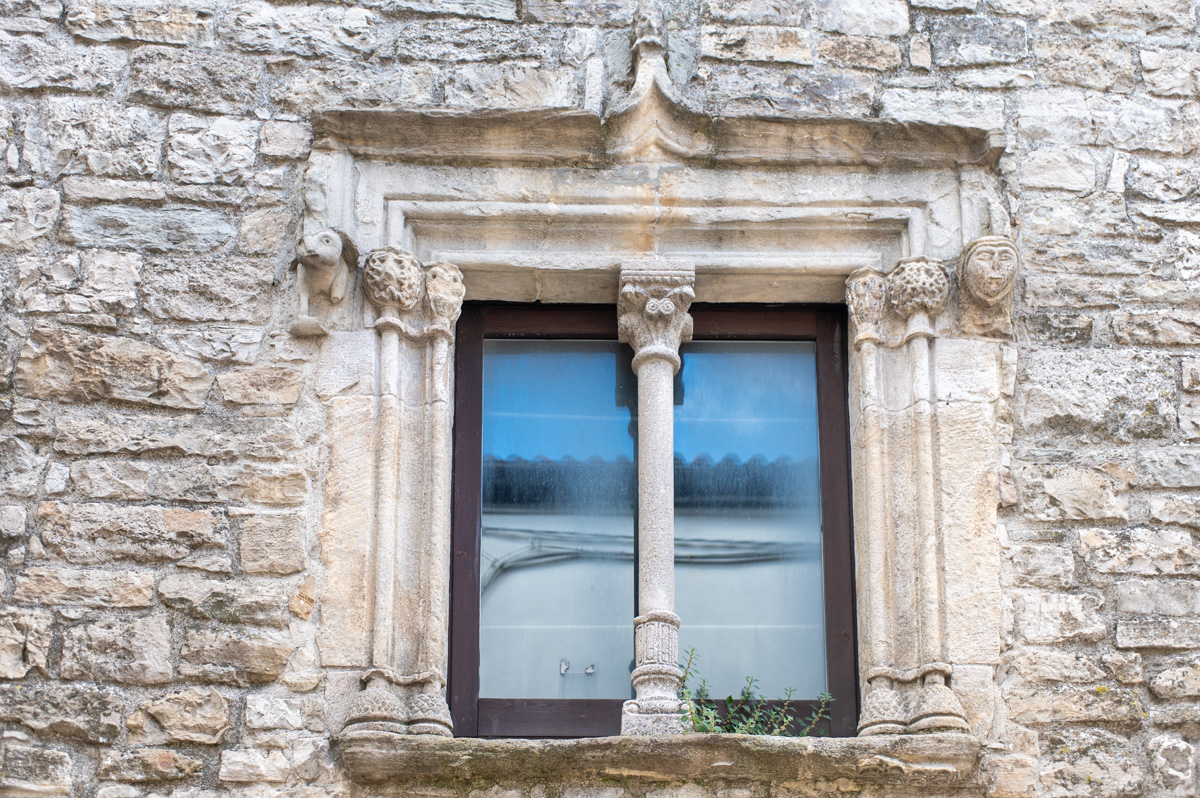
On the main square of Faeto, among the narrow lanes of one of the best-preserved medieval villages of the Monti Dauni in inland Puglia, stands a building that carries five centuries of history in its silence. The Casa del Capitano (Captain’s House) is the oldest building in the municipality: built in the 15th century, in the Aragonese period, it is one of the most significant architectural landmarks of the Monti Dauni.
It is a starting point: for understanding Faeto, for entering into its identity, for measuring how much cultural layering, rare in Italy, a small village can hold.
An Aragonese building in the Alta Valle del Celone
Those who study Aragonese architecture in the villages of Puglia know that its spread to inland centres was far from a given. Faeto is one of those places where history has left a precise and legible mark: the Aragonese mullioned window of the Casa del Capitano, both decorative and structural, is a rarity among the buildings of Capitanata and tells of a time when the artistic culture of the Kingdom of Naples reached even the places farthest from the coast.
The building, classified as being of high historical and artistic interest, is concrete proof that a refined architectural language reached a remote mountain territory. In the 15th century, when Faeto was already an established Franco-Provençal settlement, someone here had the resources and culture to build in this way.
The heart of Franco-Provençal identity
Today the Casa del Capitano houses two institutions that heighten its symbolic value. Inside are the Civic Museum of the Territory, formerly known as Faeto’s ethnographic museum, and the headquarters of the Archeoclub of the Franco-Provençal Communities of Faeto and Celle di San Vito.
This detail matters. Faeto and Celle di San Vito are the only Franco-Provençal language islands in southern Italy: a rare feature in Italy, with medieval roots, preserved over the centuries through the language, traditions and way of life of the local community. The Casa del Capitano is the physical place where this identity is studied, safeguarded and told.
Anyone wanting to know the history of Faeto, one of the two Franco-Provençal villages of Puglia, will find in the Casa del Capitano the most concrete and tangible answer.
Visit, discover, continue
Discover more places in Faeto and the Alta Valle del Celone: woodland trails, country churches, the simple, authentic cooking of mountain Capitanata, and the festivals and traditions that withstand time. A territory worth far more than a quick stop.
AT A GLANCE
Where
Type
Suitable for
Everyone
SHARE


PODCAST
L’Alta Valle del Celone
Ten episodes exploring Celle di San Vito, Faeto and Castelluccio Valmaggiore through the voices of those who live in these places every day.
An audio journey through stories, memories, traditions, landscapes and flavours, told by the people of the three towns. The podcast guides visitors in discovering the authentic soul of the Alta Valle del Celone: a land of forests, villages and vibrant communities, where every voice preserves a piece of its identity.
Recommended experiences
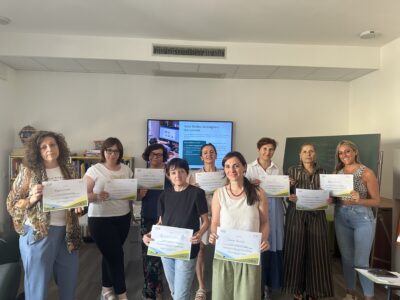
Alta Valle del Celone: a training day on communicating the destination
A meeting in Castelluccio Valmaggiore on the future of tourism …
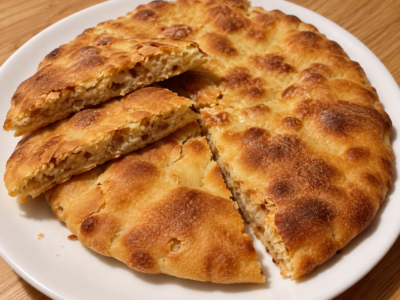
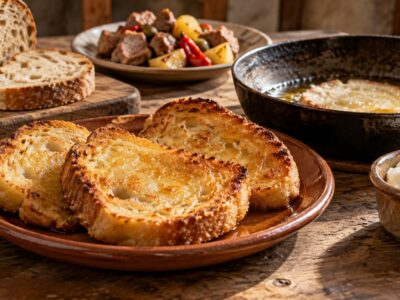
Pizza with pork crackling
La pizze dò le cíccule: the crackling pizza of the …
Keep exploring

The Pagliaro – Lu Pagljare
The Pagliaro Exploring the mountain landscapes of Puglia brings …
Cicatelli Festival
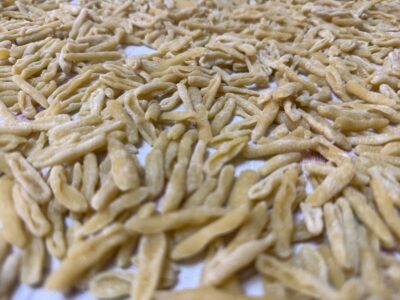
Cicatelli Festival in Celle di San Vito. August in the Monti …
Difesa Vadicola area
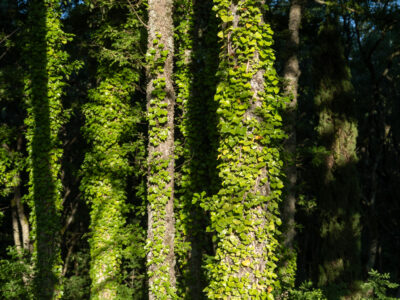
Difesa Vadicola: where the woods meet cultivated land. The …
Fresh Pasta in Celle di San Vito
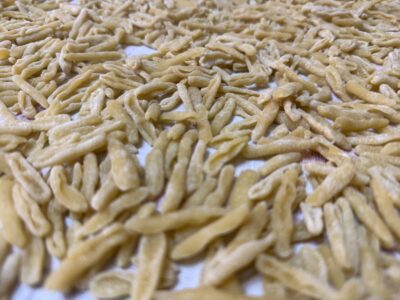
There is an unbreakable bond between the table of a small …