
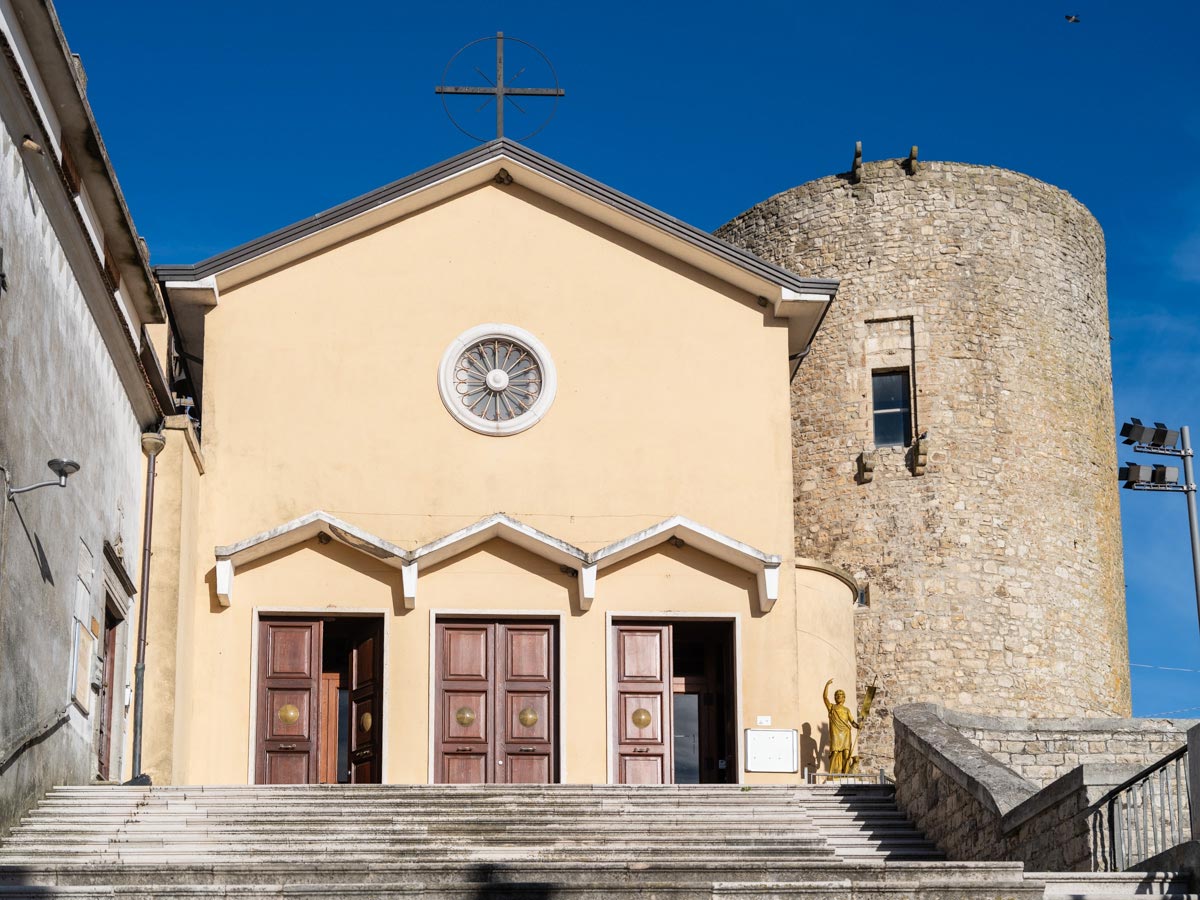
Benedictine Cenobium of Celle di San Vito
Tempo di lettura:
The origins of the settlements of the Daunian Apennines are often linked to the presence of ancient religious orders that were the first to map these mountains and make them…
The origins of the settlements of the Daunian Apennines are often linked to the presence of ancient religious orders that were the first to map these mountains and make them hospitable. At the highest point of the valley, historical memory identifies the Benedictine Cenobium of Celle di San Vito as the original spark that gave rise to the present-day village. Originally used as a summer residence by the monks, this ancient defensive and spiritual complex is one of the most significant examples of how monasticism shaped the territory, and today it stands as a key site for anyone wishing to explore the history of Celle di San Vito and its medieval past.
The remains of the monastery, scattered among wooded ridges and rocky outcrops, define the sacred geography of the Daunian Sub-Apennines. The site attracts hikers and researchers seeking to rediscover the lesser-known archaeological sites of the Monti Dauni (Dauni Mountains), where traces of the past blend with unspoiled nature.
The Charm of the Hilltop Village and the Culture of Silence
The modern village welcomes visitors with its characteristic light-colored stone buildings, quiet streets, and panoramic views over the valley below. This unspoiled atmosphere makes the village an ideal destination for initiatives centered on slow tourism and the enhancement of Italy’s inland areas, a growing trend that values the authenticity of small mountain communities over crowded tourist destinations.
Walking through the streets of the historic center is like stepping back in time, where the hospitality of the local community is intertwined with the preservation of a unique cultural enclave. For travelers consulting guides to the historic villages of the Alta Valle del Celone and wondering what to see in the area over a weekend, tracing the remains of the ancient monastic settlement offers a profound way to understand both the village’s urban layout and its spirit.
From the Valley to the Celone: The Theory of Provençal Origins
The origins of the village are inseparably connected to a compelling historical theory that links the presence of the monastery with the migration of Angevin soldiers. According to this reconstruction, the villages of Celle di San Vito and Faeto were founded by Provençal settlers who arrived from Lucera after the historic defeat of the Saracens. Following the course of the river, these settlers reached the confluence of the Freddo stream and the Celone, a strategic location where an abandoned monastery once stood, historically known as the Monastery of San Nicola in Celle di San Vito.
At this first settlement on the valley floor, the Benedictine monks who had previously lived there had, for centuries, provided shelter and assistance to pilgrims traveling along the Apennine routes. During the summer, however, the monks moved to another cenobium located higher up on a rocky spur, precisely where the village of Celle di San Vito now stands, seeking cooler temperatures and greater seclusion.
The Provençal settlers, weary of wandering from one territory to another in search of a permanent home, found this elevated location particularly well suited for settlement because of the protection offered by the rock and the presence of the existing structures. Not everyone in the caravan made the same choice: only about ten families decided to remain, settling directly in the monastic cells and around the convent built on the rocky spur. In this way, they founded the original settlement that would eventually take the name “Celle.”
This account illustrates the importance of Benedictine monasticism in the Monti Dauni (Dauni Mountains), a movement that played a decisive role in the agricultural and civil development of the highlands. The transition from religious to civil structures provides a clear picture of the evolution of monastic settlements and medieval architecture in Apulia (Puglia).
Planning a Cultural Itinerary Through the Valley’s Memory
Today, the rediscovery of the monastic roots of Celle di San Vito forms part of an extensive network of nature and historical itineraries. The site of the cenobium and the confluence of the streams are ideal destinations to include in carefully planned historical itineraries around Celle di San Vito, combining trekking with historical exploration.
The ancient routes of the Benedictine monks are closely connected to today’s pilgrimage tourism and the historic abbeys of Daunia, attracting walkers traveling along the Southern Via Francigena. Exploring these places offers a deeper understanding of the relationship between the stone architecture of the cenobia and the intangible heritage of the area’s linguistic enclave, inviting visitors to continue their journey and discover the culture and hospitality of the region.
Discover the Alta Valle del Celone
The ancient monastic cells of the Benedictine monks represent the opening chapter in the long history of hospitality and cultural resilience that defines this corner of Capitanata.
Discover the other landmarks of Castelluccio Valmaggiore and the Alta Valle del Celone. Continue exploring the portal to discover the nature trails linking the villages, historical insights into the medieval tower of Castelluccio, and itineraries dedicated to the mountain food and wine traditions of the Monti Dauni.
AT GLANCE
Where
Celle San Vito
Suitable for
All
SHARE


PODCAST
L’Alta Valle del Celone
Ten episodes exploring Celle di San Vito, Faeto and Castelluccio Valmaggiore through the voices of those who live in these places every day.
An audio journey through stories, memories, traditions, landscapes and flavours, told by the people of the three towns. The podcast guides visitors in discovering the authentic soul of the Alta Valle del Celone: a land of forests, villages and vibrant communities, where every voice preserves a piece of its identity.
Recommended experiences
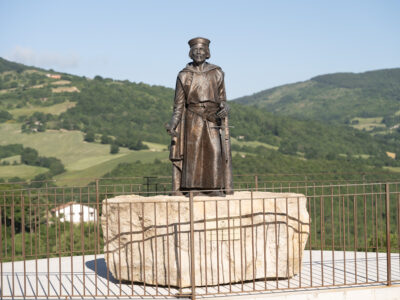
The statue of Charles I of Anjou in Celle di San Vito
The statue of Charles I of Anjou in Celle di San Vito. On the …
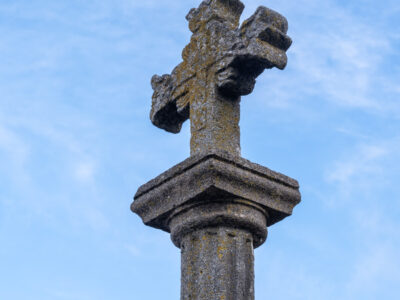
The Cross of the Provençals in Celle di San Vito
The Cross of the Provençals in Celle di San Vito Among the …
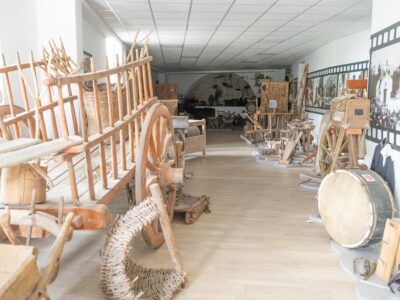
“Vincenzo Rubino” Museum of Franco-Provençal Rural Life
“Vincenzo Rubino” Museum of Franco-Provençal Rural Life …
Keep exploring
The statue of Charles I of Anjou in Celle di San Vito
The statue of Charles I of Anjou in Celle di San Vito. On the …
The Cross of the Provençals in Celle di San Vito
The Cross of the Provençals in Celle di San Vito Among the …
“Vincenzo Rubino” Museum of Franco-Provençal Rural Life
“Vincenzo Rubino” Museum of Franco-Provençal Rural Life …

Alta Valle del Celone: a training day on communicating the destination
A meeting in Castelluccio Valmaggiore on the future of tourism …